Home

6. February 2018 16:03
by Rene Pallesen
0 Comments

Morning Markets - Laos

6. February 2018 16:03 by Rene Pallesen | 0 Comments

The morning markets are interesting. This is where the locals still go to buy their fresh produce an
The morning markets are interesting. This is where the locals still go to buy their fresh produce and all kinds of specialties are being sold here. It would be easy to go here and get the ingredients for some really delicious food.

There are also some unusual things that we don't see in our western kitchens. such as:

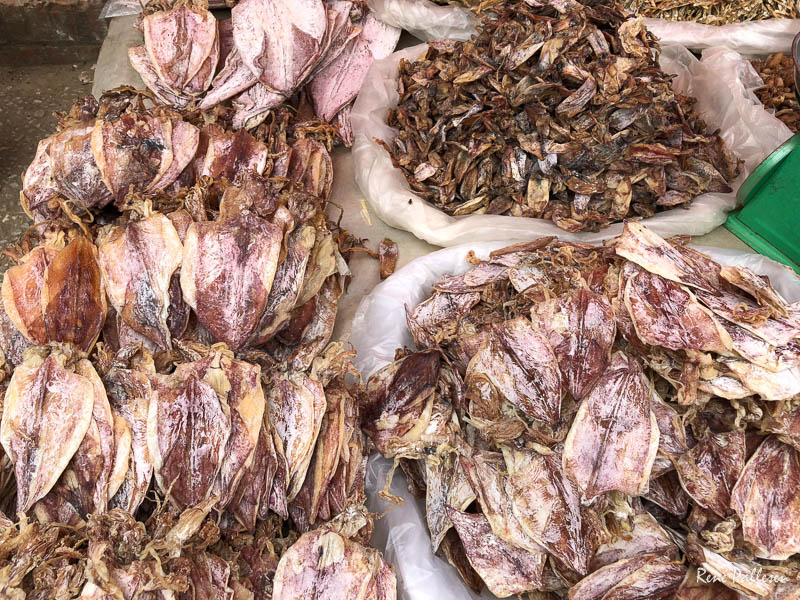
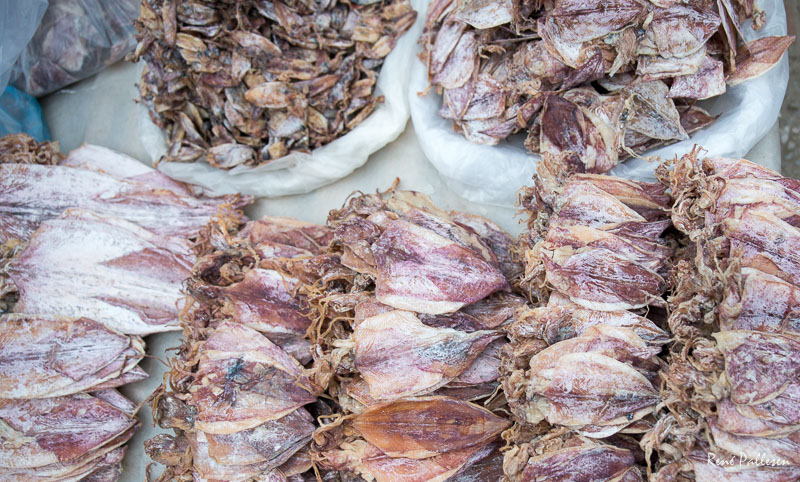
Dried Squids:


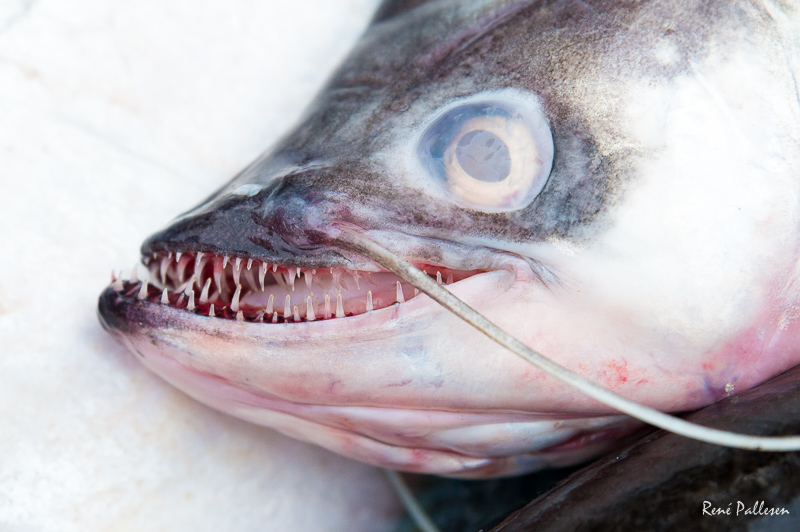
Fresh fish - of cause, but this have sharp teeth.

A protein and herb table that would make most chefs (and diners) salivate:
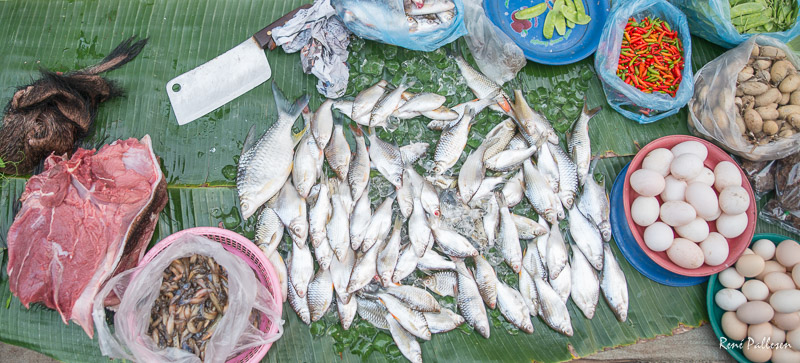


The Chillies in Lao are more hot than in Thailand - We loved the heat.


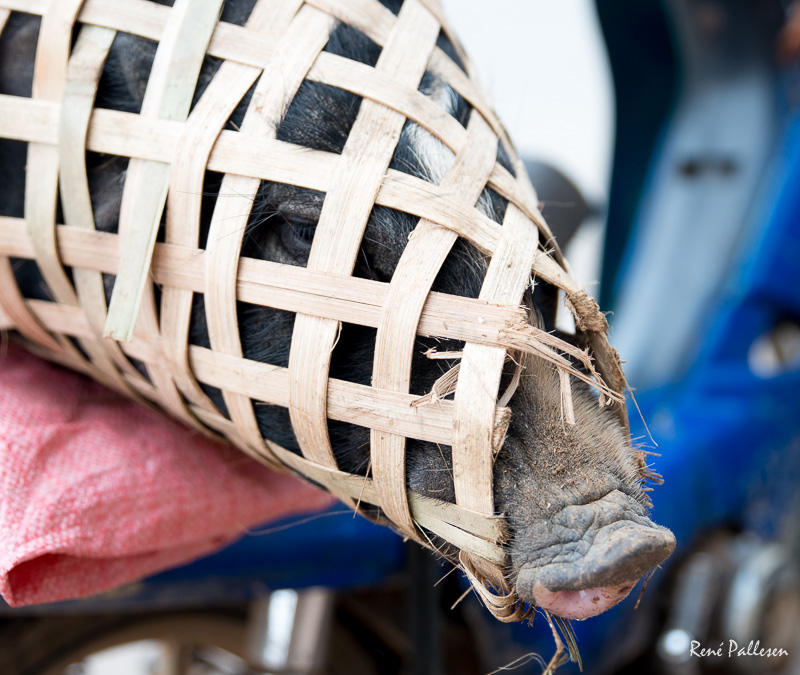
A pig:

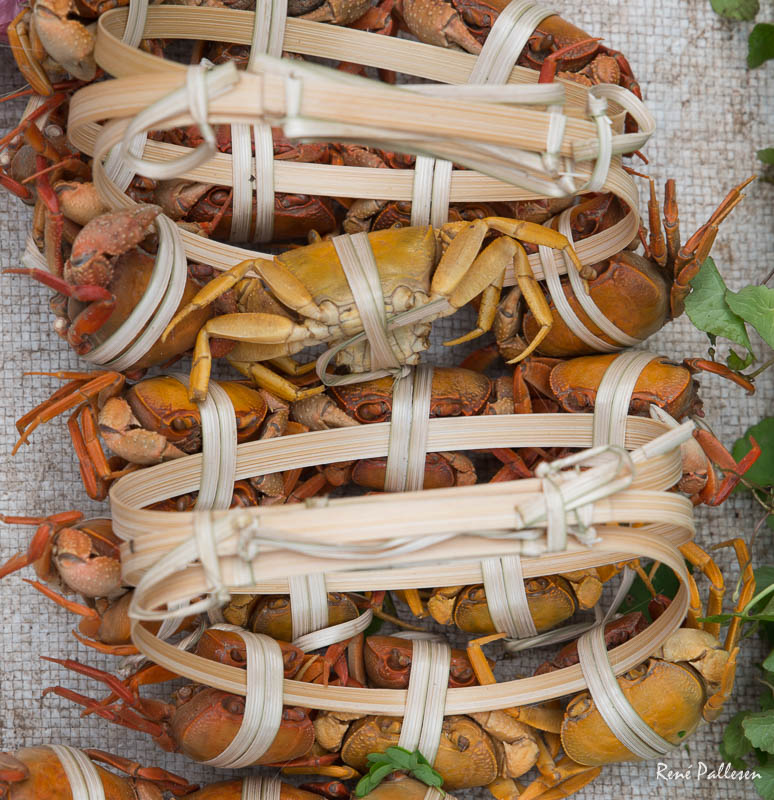
River crabs:

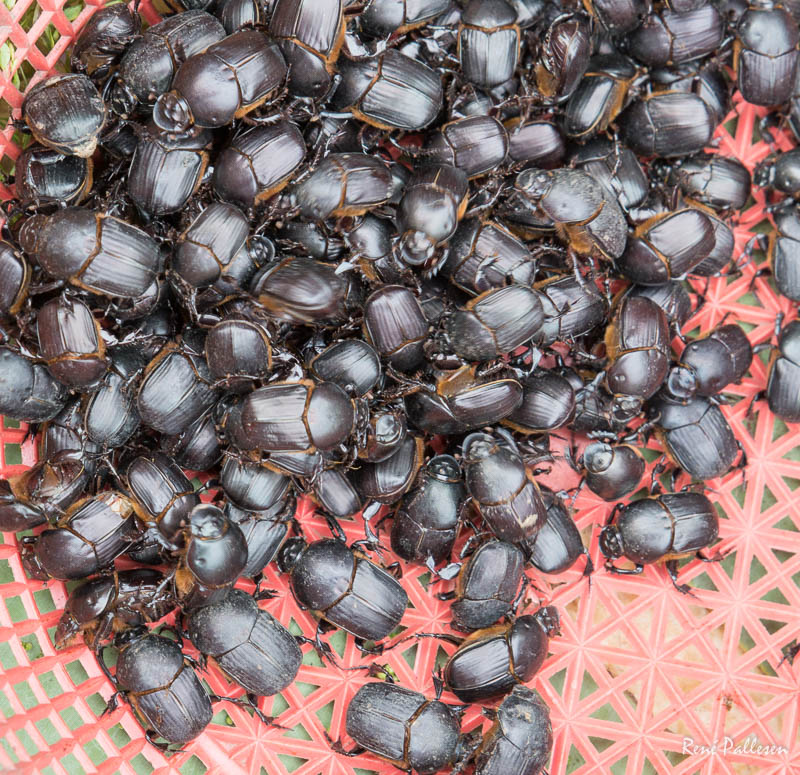
Beetles:

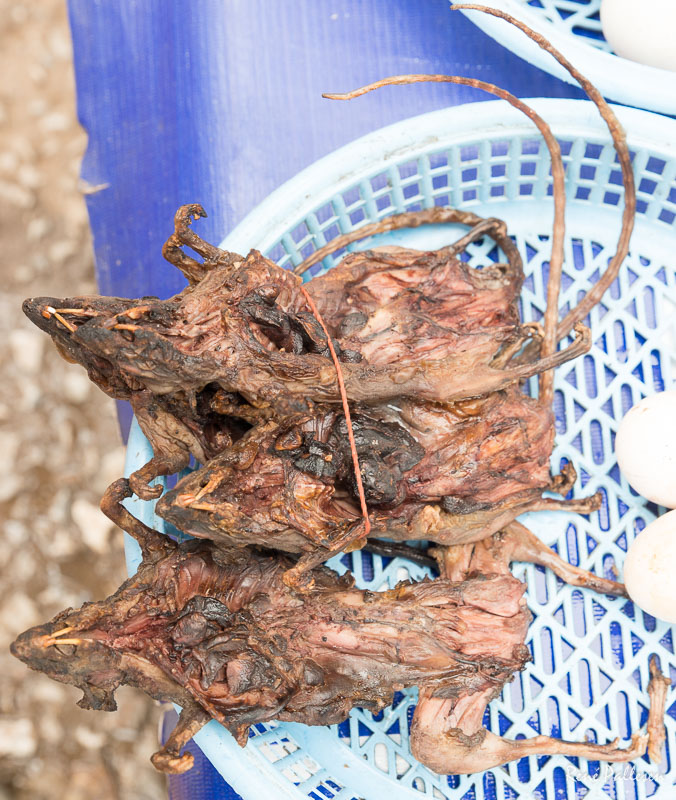
Dried rats:


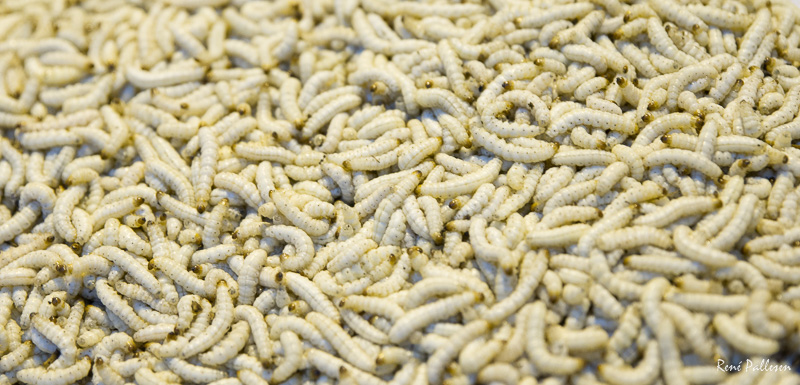
Caterpillar - these are yummi when fried:

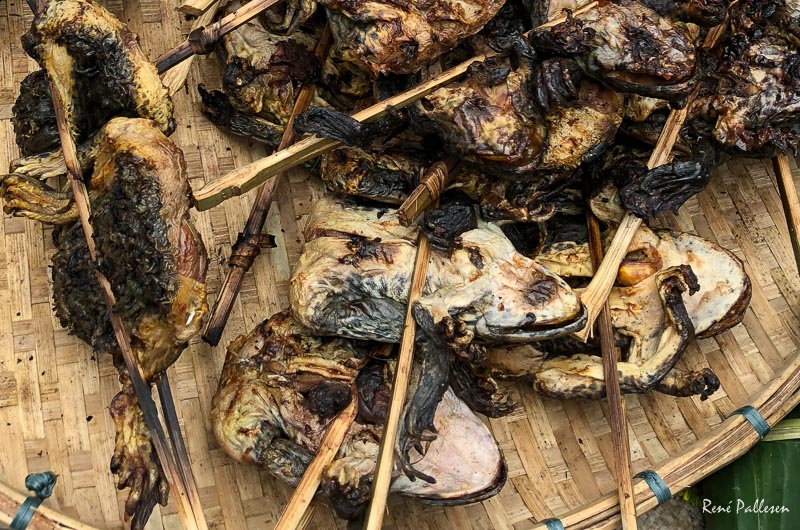
Frogs:
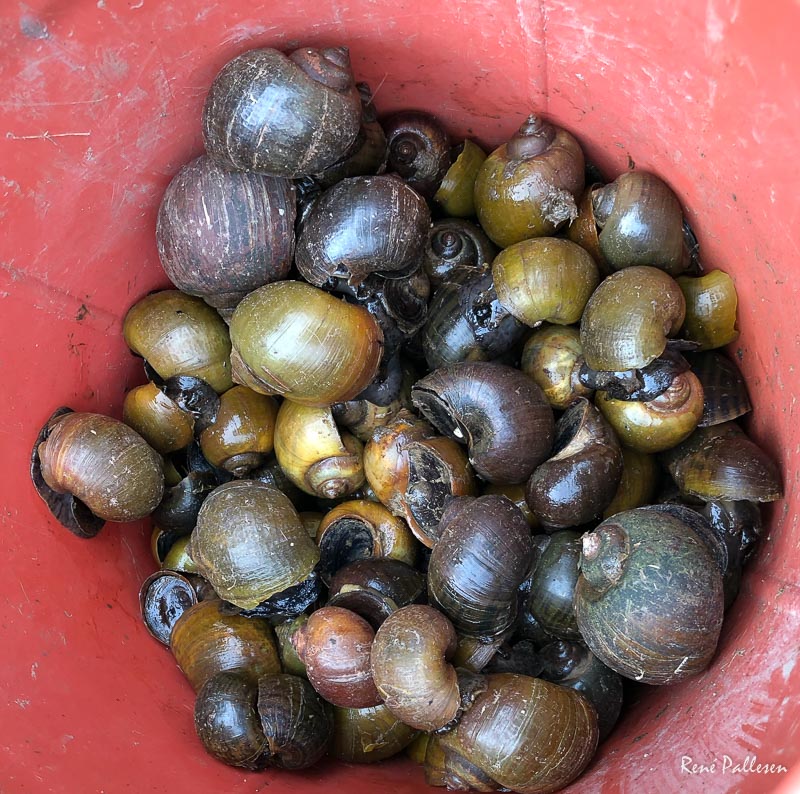
River snails:

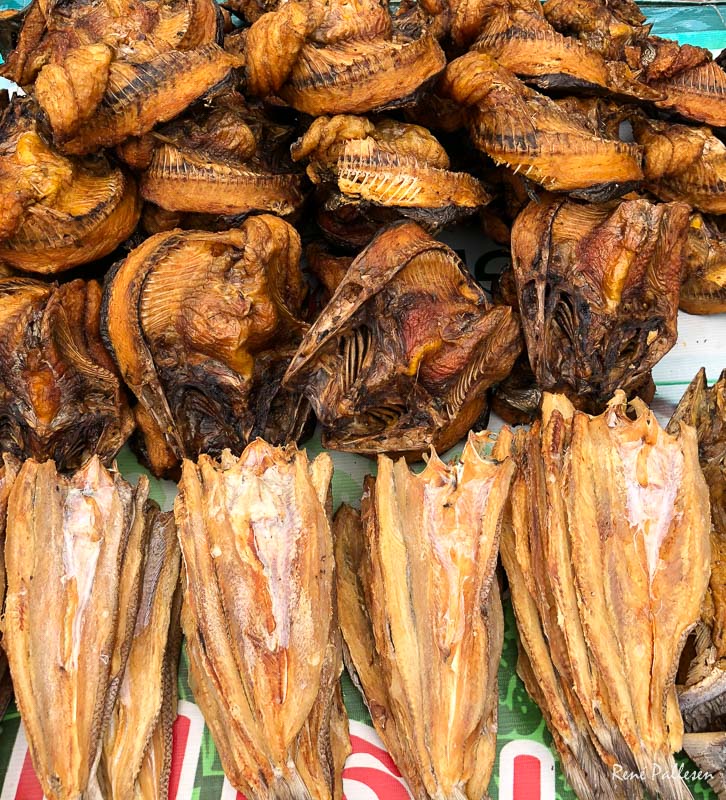
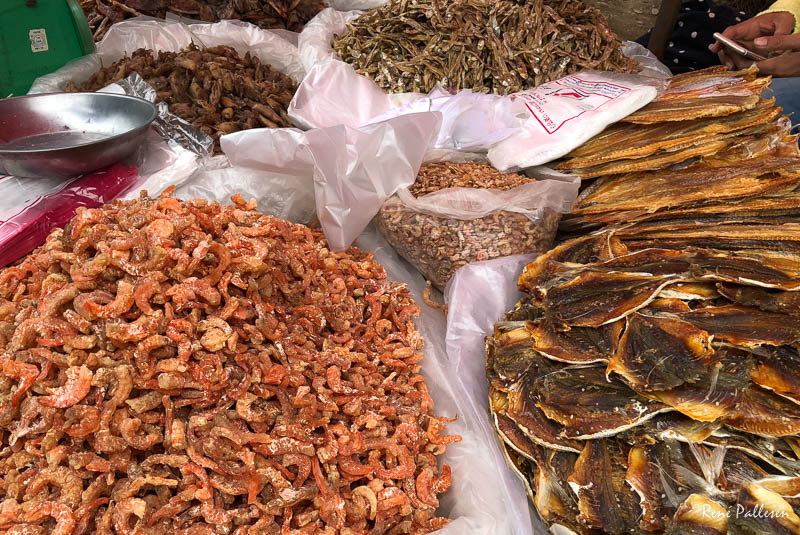
Dried squid, shrimps and fish:


5. February 2018 16:03
by Rene Pallesen
0 Comments

Bamboo Bridges - Laos

5. February 2018 16:03 by Rene Pallesen | 0 Comments

During the dry season the people of Luang Prabang builds traditional bamboo bridges across the small
During the dry season the people of Luang Prabang builds traditional bamboo bridges across the smaller river. This saves them a lot of time (and cost) to cross directly into the centre of town rather than a long detour to the other larger bridges.

It also earns them a small income to charge foreigners a small fee to cross the bridges.


5. February 2018 16:03
by Rene Pallesen
0 Comments

Silk - Laos

5. February 2018 16:03 by Rene Pallesen | 0 Comments

They still manufacture silk they way they used to. It was interesting for the kids to see the proces
They still manufacture silk they way they used to. It was interesting for the kids to see the process from small caterpillar eggs that hatch to worms to the production of the silk itself.


I had always wondered where the colour blue (Indigo) came from. I knew it used to come from a seashell, but I was fairly certain that this wouldn't be the case here. It turns out that they use a special leaf from a plant that when mixed with water and left fermenting/oxidising turns into a blue dye.


They also use plants for most of the other colours.


After they spin the thread they use traditional weaves to make it into pieces of garment. These days the silk garments are fairly expensive - hundreds of dollars, but it used to be really cheap.

4. February 2018 22:02
by Rene Pallesen
0 Comments

Pak Ou cave - Laos

4. February 2018 22:02 by Rene Pallesen | 0 Comments

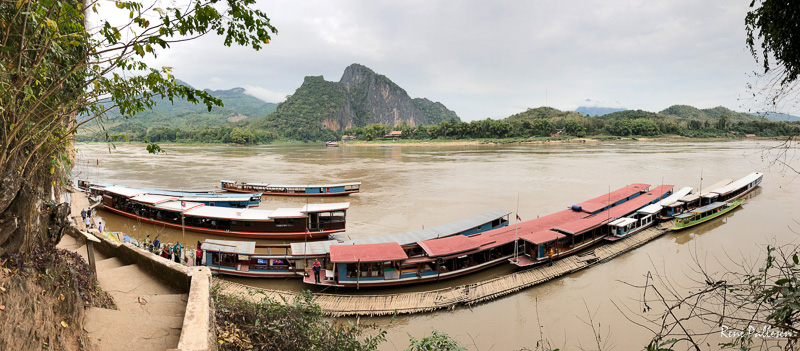
A two hour boat ride north of Luang Prabang is the Pak Ou cave. Since we were traveling two families
A two hour boat ride north of Luang Prabang is the Pak Ou cave. Since we were traveling two families the best way to get there was to hire a slow boat just for us.
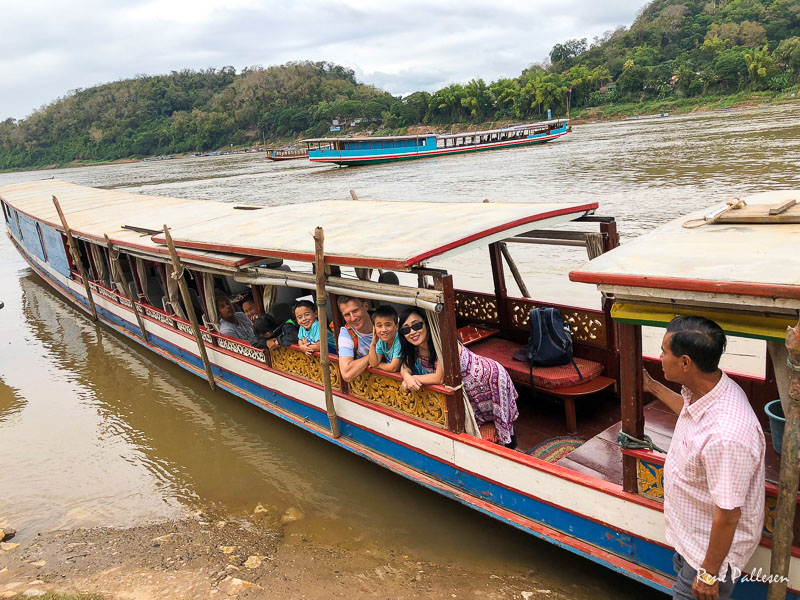


The flow boats are long narrow boats that are ideal for navigating the Mekong River. This part of the river is full of underwater rocks but the boats seem to navigate these treacherous waters with ease.

Having the boat for ourselves gave us more flexibility with regards to how long we wanted to spend at the cane and also meant that we have more room to move around.
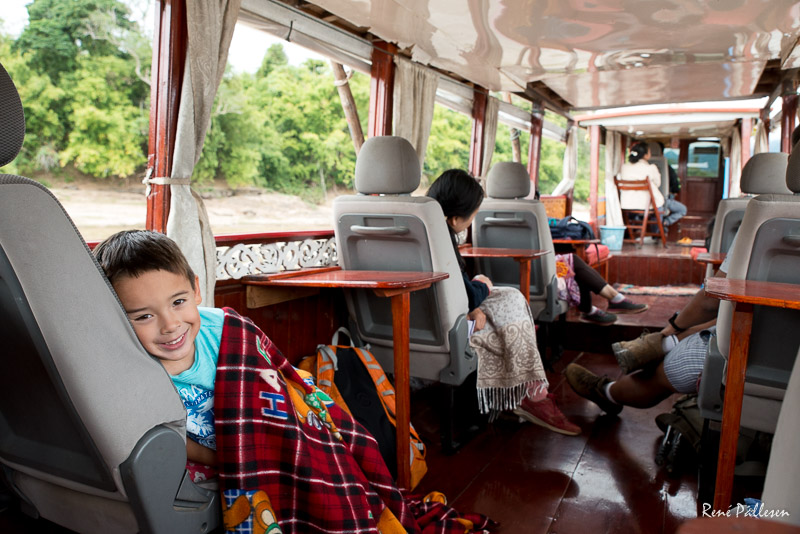


The front of the boar is where the captain sits and steers the boat. After this there is a section for the passengers followed by a small pump toilet and then the living quarters for the captain and his family. Out the back there is a small kitchen for them to do the cooking.

The cave is upstream into an area full of limestone mountains.
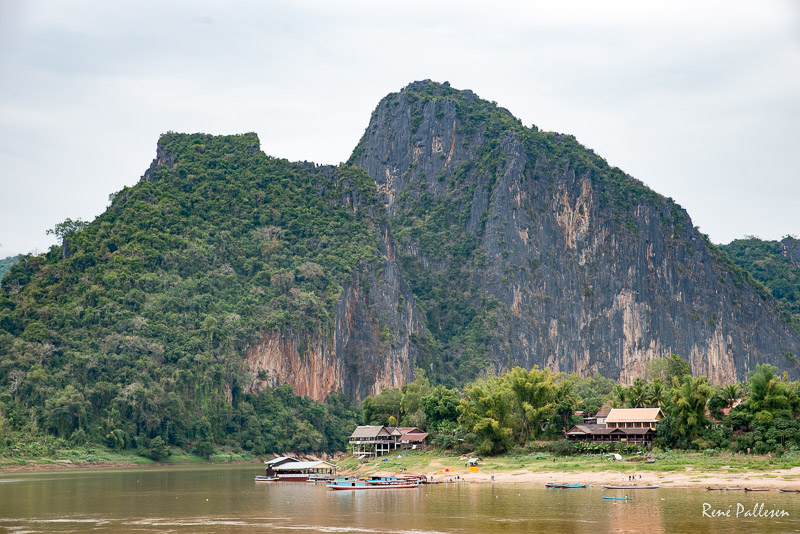


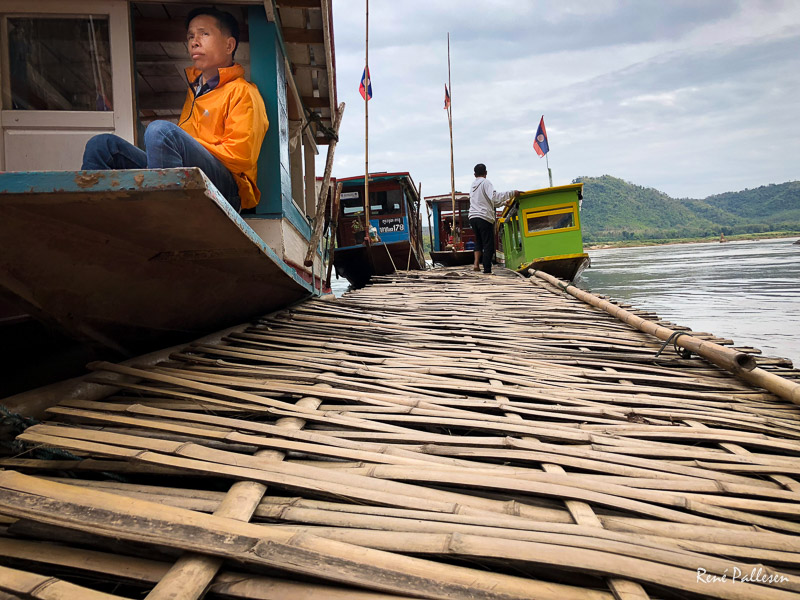
The many boats moor at a long and wobbly floating bamboo bridge that takes you to the cave itself.


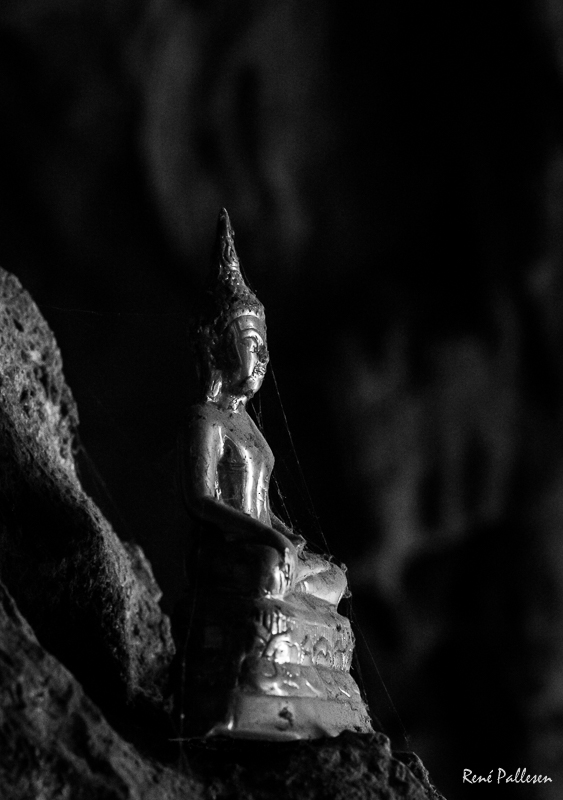
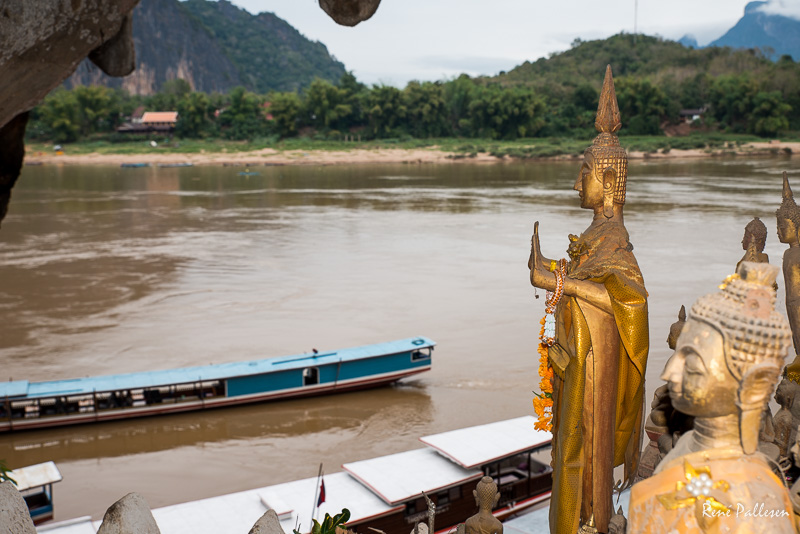
The cave itself is not big but it is full of small Buddhas that have been put there over hundreds of years. You can tell that this used to be an important place of worship.
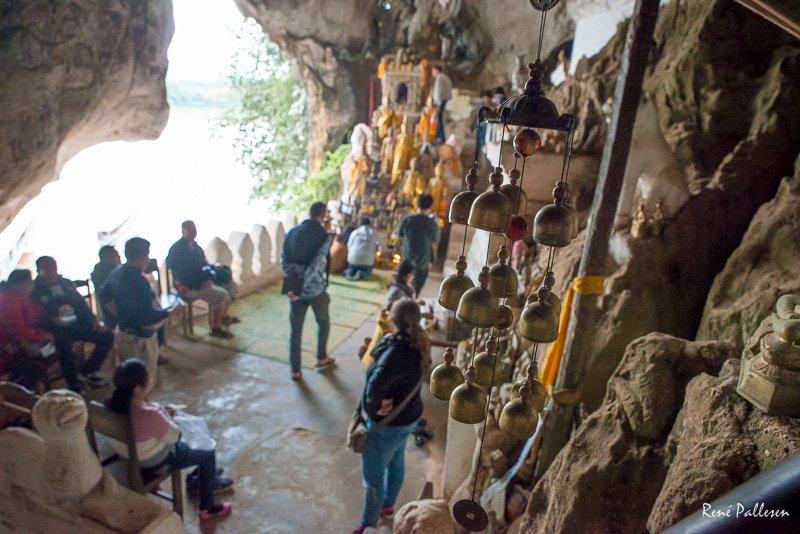


Now however the place is so crowded with tourists (guilty here too) coming in on boats that it is hard to move around. I could not stop myself from taking this photo of Buddha holding up his hands to stop more boats arriving.


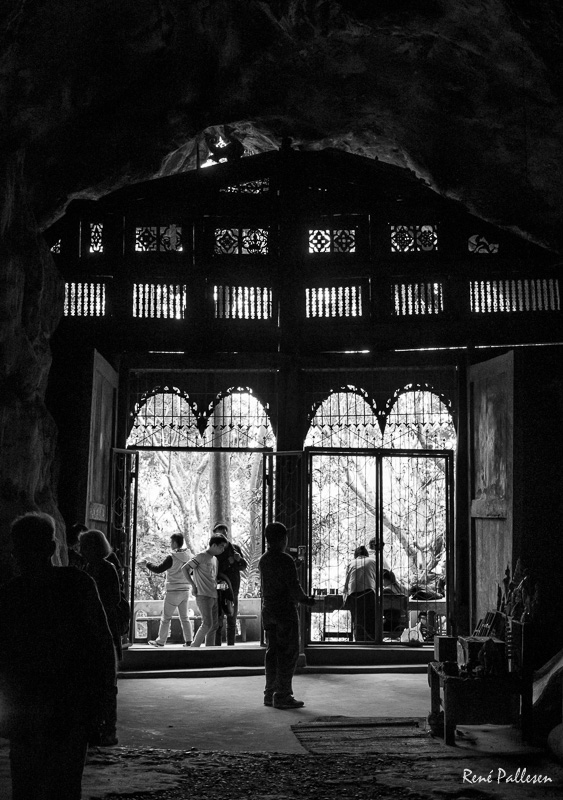
At the top of the hill the hill there is what I think is a more 'pleasant' cave. It is equally interesting and much less crowded because most tourists don's make it up the many steps to the top.
4. February 2018 16:03
by Rene Pallesen
0 Comments

Lao Lau (rice whiskey) - Laos

4. February 2018 16:03 by Rene Pallesen | 0 Comments

The traditional Lao Lau is still being made. Just north of Luang Prabang on the river there is a lit
The traditional Lao Lau is still being made. Just north of Luang Prabang on the river there is a little village on the river called Whiskey village whos main income is from the production of Lao Lau.


When I was there two decades ago this is what the locals were drinking (now they drink beer instead). I still remember the foul taste from the home brew that was distilled in large oil drums after having been fermented in large clay pots. Whenever I see it I always wonder if distilling strong alcohol right next to an open flame is the wisest of ideas!?!?


The process itself hasn't changed, but these days most of the whiskey is sold to tourists and I tastes a lot more pleasant that it did back then.


3. February 2018 15:03
by Rene Pallesen
0 Comments

Food - Laos

3. February 2018 15:03 by Rene Pallesen | 0 Comments

The food in Laos is good. It is traditional cooking mostly still cooked over an open fire.You see th
The food in Laos is good. It is traditional cooking mostly still cooked over an open fire.


You see them start cooking the food well before sunrise in big pots.

The food itself is mostly a fusion of Thai and Vietnamese. It has all the noodle soups from Vietnam, but with the more street food and spice of Thailand. The picture below is a typical noodle soup with a traditional cube of coagulated blood.


We were eating a lot from small street type restaurants following the rule that is had to be popular with the locals. The logic behind this is that the locals would know what is good and would also be choosy regarding the quality of the food, so chances are that it would be fresh and not cause food poisoning (none of us or the kids had any issues on the trip).


There are some dubious food there, such as some of the meat BBQ where they sometimes have the meet cooked earlier on the side of the BBQ and then just re-heat it when you order it.


Also be careful with some of the food stalls where the food may have been sitting there for most of the day and often from the day before.


From a 'snack' perspective there are some personal favourites that I absolutely love such as the BBQ fried squid - the packet stuff is just not the same.


Also the Bamboo and coconut fried rice is delicious - they sell them at bus and train stations and especially the purple rice one is yummi!


The freshly made puffed breads over an open fire - they will use two rakes to flip them until they are done.

2. February 2018 00:02
by Rene Pallesen
0 Comments

Temples - Laos

2. February 2018 00:02 by Rene Pallesen | 0 Comments

The temples in Luang Prabang are some of the most beautiful anywhere. Yes, Thailand has some amazing
The temples in Luang Prabang are some of the most beautiful anywhere. Yes, Thailand has some amazing temples, but these are different. They are smaller, and more intricately decorated.


1. February 2018 23:02
by Rene Pallesen
0 Comments

Luang Prabang - Laos

1. February 2018 23:02 by Rene Pallesen | 0 Comments

Luang Prabang is without a doubt the cultural highlight of Laos. The old part of the city is beautif
Luang Prabang is without a doubt the cultural highlight of Laos. The old part of the city is beautiful and there are good reasons why is has been heritage protected.

I believe it has the most beautiful temples of South East Asia - they are not the largest or even the oldest, but the amount of details that has been put into them is absolutely stunning.
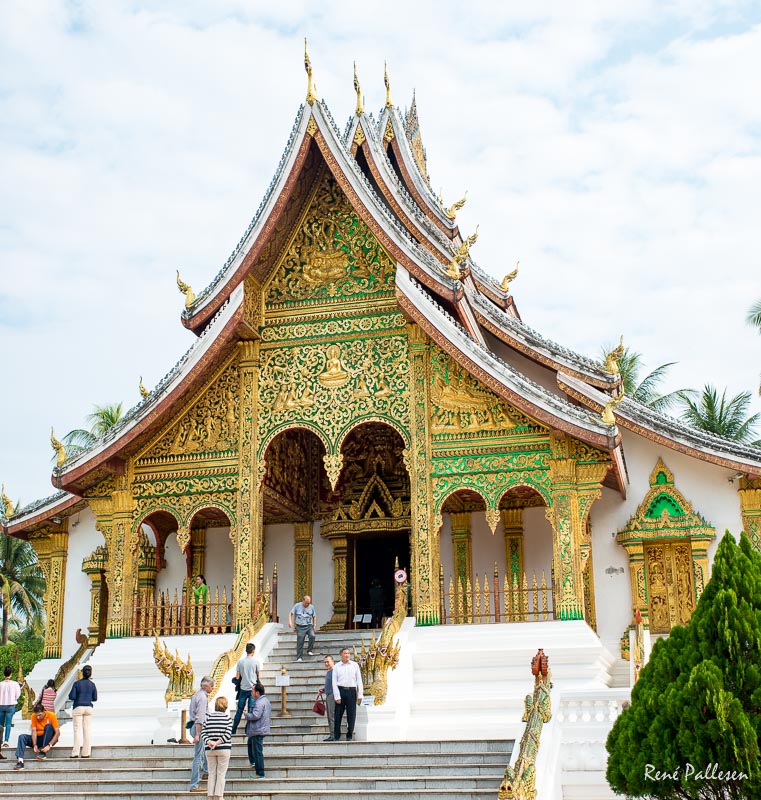


In addition to this there are a lot of other very interesting things to see in and do in the city, which I will cover in later posts.

The city itself is situated between two rivers where one of them is the Mekong which is still fairly busy with slow boats and ferries (The chinese are building a large bridge across the river north of the city)
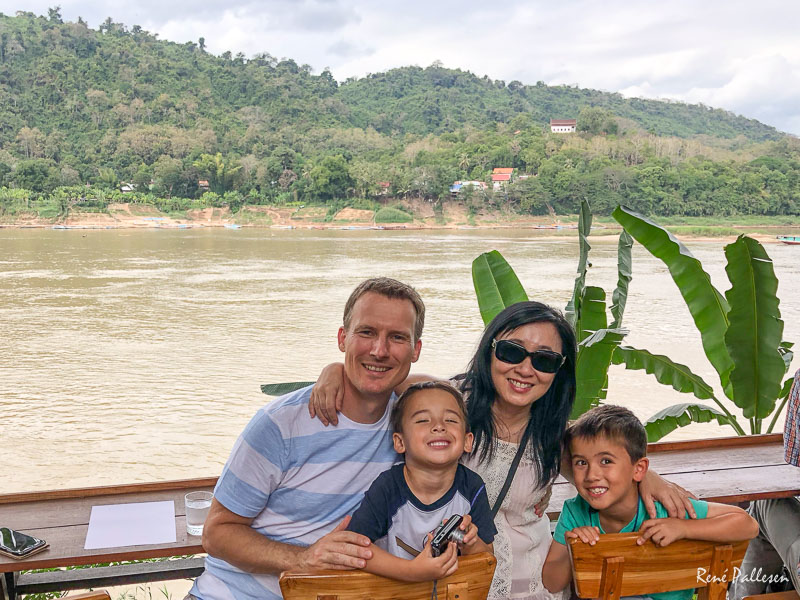
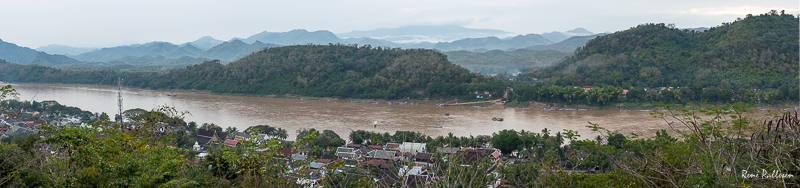


The section between the two rivers form the city itself which consist of four parallel streets each about a kilometer long.
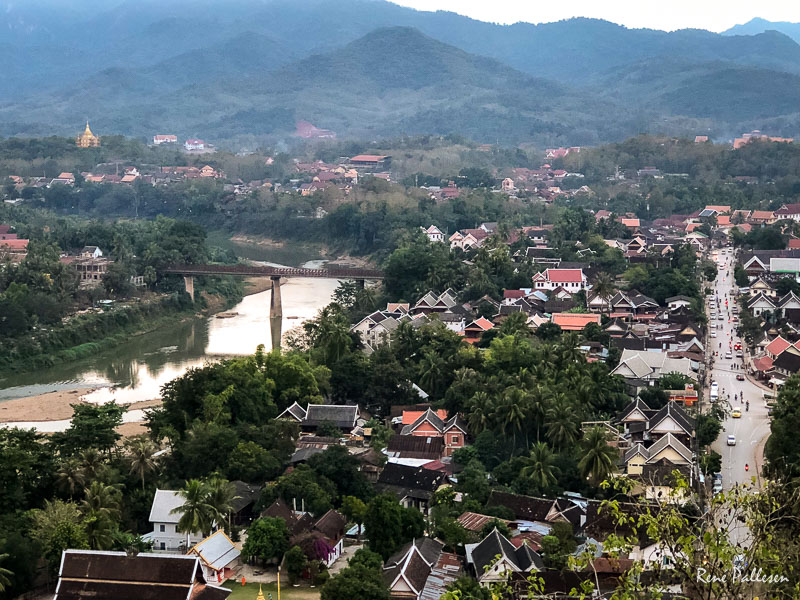


Everything within the city itself can be covered on foot and in the evening the main streets are blocked for card and reserved for pedestrians.

The place is dominated by a big hill with a small temple and stuba on top. It is very popular with tourists to climb the hill around sunset. And there is a great view of the mountains from the top.
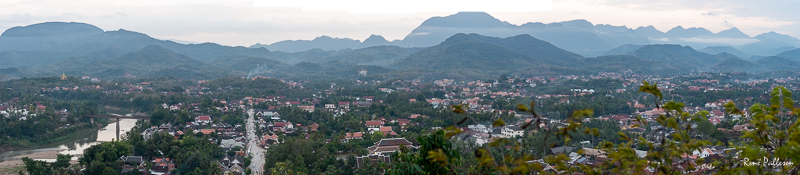
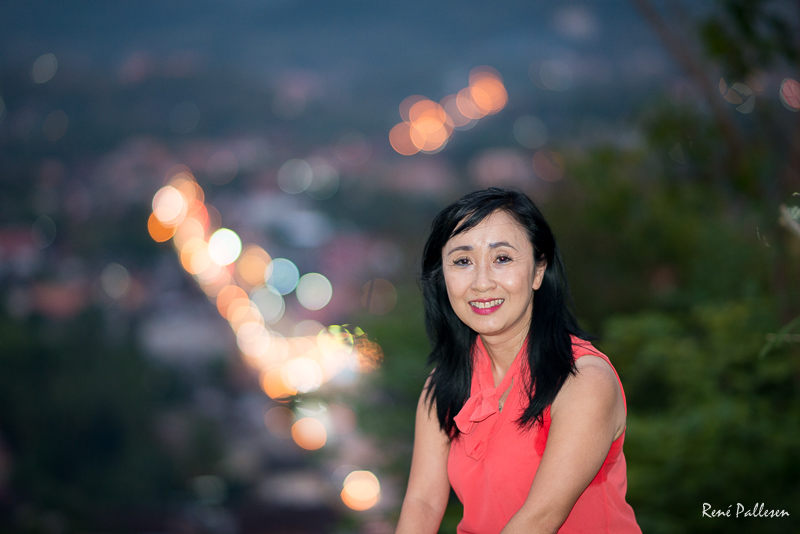
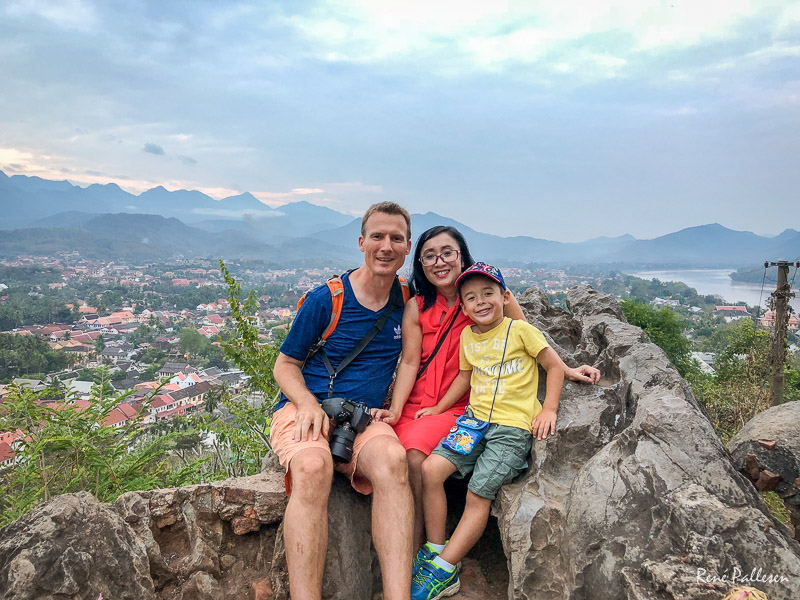


There are some things that have changed in the city since I was there the last time. The most noticeable is the amount of tourists and fine hotels - and here it is really the more wealthy middle aged Europeans you see. The main street of the old city is full of modern western European influenced restaurants, souvenir and antique stores.
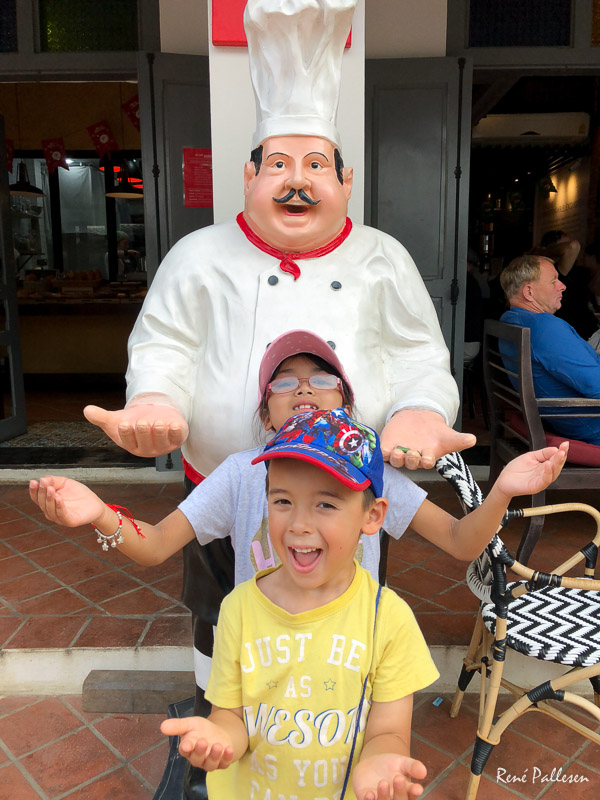


Fortunately you don't have to travel further that to the parallel streets to fine more low key Laos places to eat.

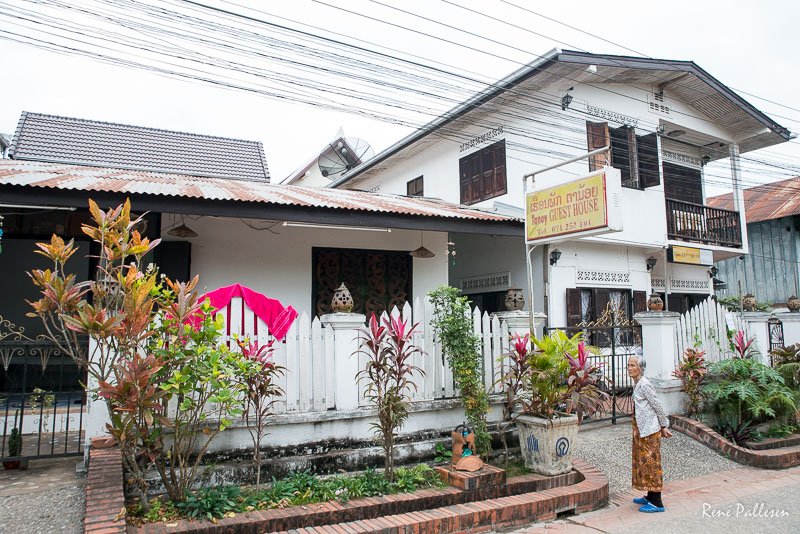
Also, last time I visited, I stayed in a small guest house near the city centre called Tanoy Guest House. When I stayed here I became good friends with the family and the place was named after the oldest daughter who's name was Tanoy.

The place is still there and apart from a larger fence it looks pretty much unchanged.

29. January 2018 21:01
by Rene Pallesen
0 Comments

The War - Laos

29. January 2018 21:01 by Rene Pallesen | 0 Comments

The 'secret' war in the 60's and 70's had a major impact on the country. A massive amount of bombs w
The 'secret' war in the 60's and 70's had a major impact on the country. A massive amount of bombs were dropped by mostly the Americans in mostly the Northern and Eastern part of the country. This was partly an internal civil war but also to stop the North Vietnamese using the country as a supply route.

To get an insight into this was I can highly recommend the books by Christoper Robbins called 'The Ravens' and 'Air America'.

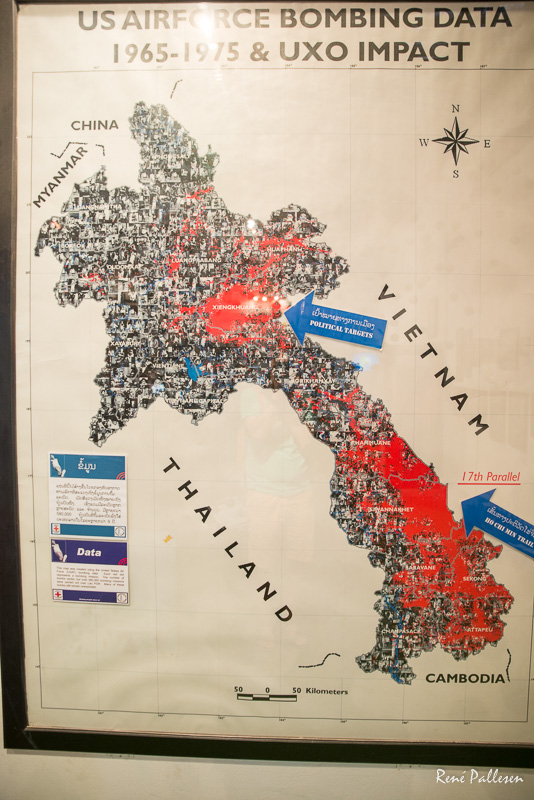
The impact today is that un-exploded ordnance (mines, cluster bombs etc.) is covering large parts of the country and that every year lots of people including children gets injured or killed.

It is also very noticable, especially in the Hmong villages that there is no presence of old men. This is because most of these were killed either during the war where especially they took heavy casualties despite the American support or through 'education' camps after the war.

Last time I went to Laos I went to Plains of Jars which was one of the most heavily bombed areas and the debris was everywhere. We weren't going there on this trip, but to give the family and friends an insight into the history and the dangers to present people we visited the COPE organisation in Vientiane.

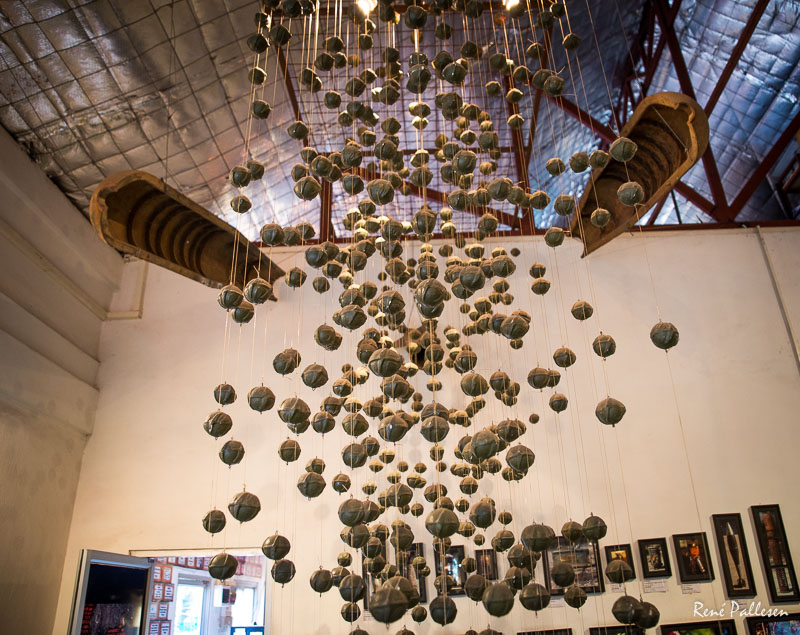
Here is Aiden in front of an unexploded (disarmed) clusterbomb. Looks just like a ball and tempting for kids to play with.
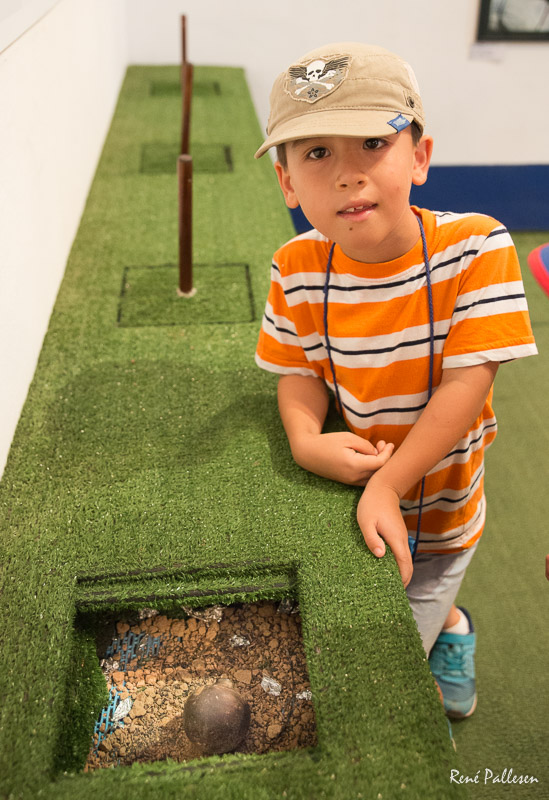


These were dropped from canisters on aircraft with several hundred in each load. It is estimated that 1/3 of these didn't explode on impact.


This map shows the areas most effected.


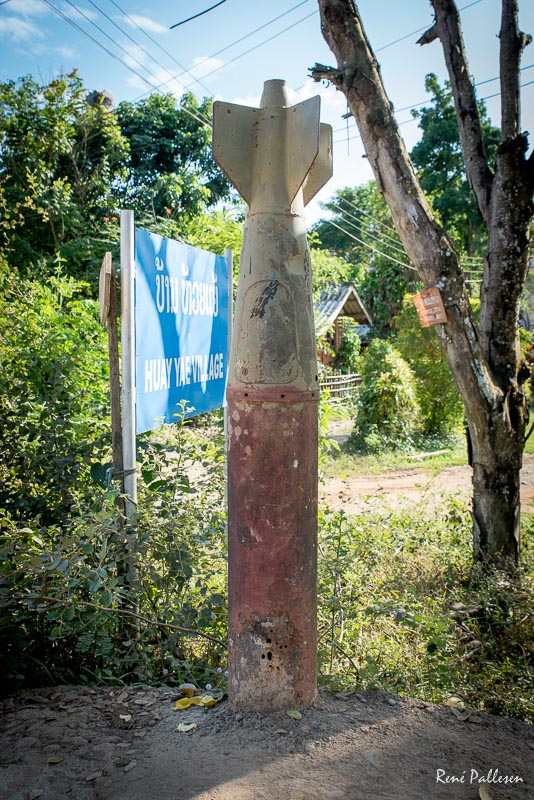
If you look for the bombs they you see them everywhere - mostly disarmed and used as fence posts.


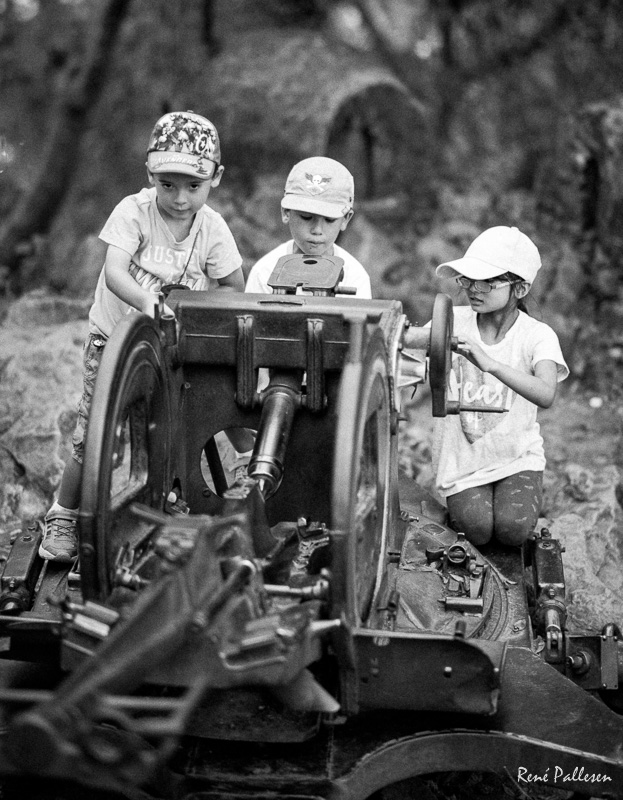
There is also remains of anti aircraft guns such as this one in Luang Prabang. The barrel had been removed but everything else still worked on it and they could turn it by rotating the handles, much to the amusement of the kids. During the war kids only a little older than our kids would have been fighting at the front lines.
Perfect Moments Photography | A Rene Pallesen Journal

Home

28. July 2001 10:50
by Rene Pallesen
0 Comments

Mt Popa . . .

28. July 2001 10:50 by Rene Pallesen | 0 Comments

mt popa
Mt Popa


There is a monastry on Mt Popa - a hill located 50km away from Bagan.

When I was there, it was a cloudy day.

Woman selling petrified wood at Mt Popa

I ran into a woman selling petrified wood - quite silly really, considering the place was covered with it.


Road sign

They must think tourists are stupid! *laugh* I managed to pick up a couple of small pieces to take back with me.


As you can see, there are stacks of them around.

And no... this is not a tombstone.
This is actually a road sign.


Example of petrified wood

You would be surprised how big some of these pieces are - this piece below was actually about a metre long and 40cm wide.

Toilet in Burma

Actually what I found interesting were the toilets in Burma.


My girlfriend tells me that squatting over a toilet is quite common in Asia.

In many of the city areas, they would have toilets as we know them, and they would also have a carved hole in the ground, on which either side, one places their feet on.

Toilets in the rural area are more crude than that - a hole leading into a gaping pit.

However, what I found interesting about these toilets were that recycled running water was used to wash away any excrement. The water is first used for washing one self and then used in the toilets.

As there were a few toilet cubicles a row, sometimes you would see the excrement from a toilet uphill go beneath you! *laugh*

Very clever and environmental system, I think!

Me at Mt Popa


Trying to grab a snooze... *smile*


Like Schweddagon, most of this is real gold as well.

And yes, there is a monkey sitting near my head.

If you click to the next page, you will see that I have taken a series of photos of the monkeys.

28. July 2001 10:49
by Rene Pallesen
0 Comments

Puppet Show . . .

28. July 2001 10:49 by Rene Pallesen | 0 Comments

puppet show
Puppet Show


I saw the most interesting puppet show, known as the “Mandalay Marionettes”

There were 2 or 3 puppeteers out the front, with a live band of musicians.

Unfortunately, it was more of a show for the tourists, rather than the locals.

It cost 1,000 chats or US$2 per show.


4 men manipulating the marionettes A child posing as a 'puppet'
The Marionettes


Lots of bright lights

28. July 2001 10:49
by Rene Pallesen
0 Comments

Burma Up North . . .

28. July 2001 10:49 by Rene Pallesen | 0 Comments

burma up north
Map of Northern Burma


View from train


I decided take a 20-hour train-ride to Myitkyinã *laugh* it took 20-hours to get there by train because there was only one track.


It was definitely faster to run next to the train than to travel in it!

We had to wait for the oncoming train to return before we could travel north.

At one point, we crossed a bridge that was so rickety that I thought it would collapse any moment!

Working in the rice fields


Locals working in the rice fields.

Working in the rice fields


Locals using water-buffaloes to plough rice fields.

Jrrawaddy River


The train travelled along the Jrrawaddy River.


It would have been nice if I was able to travel to Mandalay via a riverboat down the Jrrawaddy River.

People living on lake


It was amazing to find out that people live “on” these lakes, by building houses on stilts.


This sort of housing is quite common in many parts of Asia, especially areas where monsoons quite frequently flood an area.

It is also very environmentally-sound, I think, and hurts the land less.

Most of the houses are made of wood.

Myitkyina in rain


Myitkyinã is pretty dismal in rain!


There is a huge drug problem in Burma, especially through the crossings into China.


I have scanned a copy of a recent newspaper article about this problem in Burma.

28. July 2001 10:48
by Rene Pallesen
0 Comments

Mandalay . . .

28. July 2001 10:48 by Rene Pallesen | 0 Comments

mandalay


Map of Burma


When I initially arrived in Yangon / Rangoon, I wanted to fly up Bhamo - one of the bigger towns north of Burma. I also considered exploring Myitkyinã - a town further north of Bhamo.

My Lonely Planet guide indicated that the only border crossing into China was to the east of Bhamo. My initial plans to Burma also included exploration of western China. However, I was disappointed by the military turning me back, despite the fact that my Lonely Planet guide said I could cross into China at Ruili.

I decided instead to fly to Mandalay, not only because it was cheap to do so, but it saved me a 20-hour bus ride there from Yangon.

City of Mandalay


I heard about a song for sailors.
“To be a real sailor, the sailor would have to have been to Mandalay way upriver”


I quite liked Mandalay.


The photo below, is of Mandalay Hill.
During World War II (20 March 1945), the British and the Japanese fought one another to gain control of the position on this hill.

Important Position in Mandalay Mandalay Hill facing east


The photo to the left is taken from the hill itself facing east - as you can see, it has an aerial view of the whole city, and puts any oncoming enemies at a disadvantage. Control of Mandalay was important during the war, as the soldiers were able to set up artillery and attack anyone approaching the fortress.

This hill was of big strategic importance.

The building you see near the shrine is a monument to the British regiment who managed to take control of this hill from the Japanese.

At the eastern part of the delta, a lot of logging takes place. There was a train line built that used to cart all the trees/wood for export to Thailand.

View of the FortressView of the Fortress


The moat around the fortress is man-made.
Although man-made, comes from the local river.


The original fortress was burnt to the ground.
The whole fortress covered an area of 2.5 x 2.5 km


Fortress at Mandalay

Fortress at Mandalay

Clocktower in Mandalay


The design of Mandalay was quite colonial, and surprisingly, most of the streets were at 90º to one another.


Overall, I found Mandalay the most expensive city to travel to in Burma.

No matter what one does in Mandalay, be it explore Mandalay Hill or the city itself, the locals always had “special” foreigner prices. It really annoyed me.

I tried to use local currency as much as possible. However, FEC (Foreign Exchange Currency) was more valuable and worth more to the locals. FEC is also used in China, and one tries to use local currency as much as possible. Any item you buy has 2 prices - and obviously it is cheaper to use local currency than to use FEC.

I must admit, even Mandalay Hill was not that nice for the price I paid to explore it. It was also expensive just to go into the fortress.

Surprisingly, I could not find maps of the area that was not more that 40 years old.

28. July 2001 10:47
by Rene Pallesen
0 Comments

Burma Religion & Politics . . .

28. July 2001 10:47 by Rene Pallesen | 0 Comments

politics

Politics . . .

Queue for Rations
There is a lot of politics going on in Burma that an outsider should not get involved in - Burma is one of those countries where political opinions are best kept to oneself.

In Burma, use of the Internet and mobile phones is illegal. This is the government's way of controlling the information entering the country. Even access to equipment such as laptops is illegal - the country is so poor that many could not afford such a piece of equipment.

I saw many young women queueing for their rations. They were standing so close together that I thought they were lesbians! *laugh* The girls stand close together so another person cannot jump the queue by pushing in.


Girls Standing Close

Girls Standing Close
Young Girls Working on Roads


The girls here are very young, some have barely reached puberty and are doing some very hard work.


Young Girls Working on Roads


There is a lot of critique by Amnesty International, of Burma's use of young girls to provide maintenance for the roads.

28. July 2001 10:47
by Rene Pallesen
0 Comments

Medicine . . .

28. July 2001 10:47 by Rene Pallesen | 0 Comments

medicine


The Wares of a 'Medicine Man'
Medicine . . .

My girlfriend, Arumi, tells me one sees the wares of a 'Medicine Man' quite often throughout Asia.

Whether they sit by the roadside, or whether they own a shop in a building, one will see very similar items being sold around Asia.

The “pellets” you see here are in fact different types of roots such as ginger or some unknown vegetable, that have been sun or air dried.

The Medicine Man 1The Medicine Man 1The Medicine Man 1

You will see the antlers of various animals such as deer or even rhino. There are also skulls from different animals - some of these animals may be endangered species, but somehow you will see them being sold in these markets.

The Medicine Man 2


These skulls are definitely not being used as “trophies” around the house!

The Burmese, like many Asians, believe in using very 'natural' remedies to cure common ailments.

Tiger Skull


A Medicine Man may not necessarily be a “doctor” according to western standards - that means he may not have a university degree.

However, a Medicine Man, may be what we know as “witch-doctors”. Some of the remedies they know are very natural and useful.

Unfortunately, not all of these remedies work. Around Asia, you will see shops or Medicine Man selling items like tigers' paws and skulls, or ground ivory tusks. Many of these are sold as cures or enhancements for the sex life.

In Burma, there is virtually no wildlife left.


Selling Tobacco


You will even find that even tobacco is sold naturally.

Not in cigarette form, but in leaf form! The laws in Burma are not quite the same as they are here. Marijuana is also sold very freely.


Fruit of the Lotus Plant
Lotus Fruit . . .


Quite often in Asia, you may see lily pads floating on the water. In fairy-tales, you hear about frogs sitting on a lily pad.

You will be amazed to associate that this fruit here, comes from the flowers/plant growing out of the water near the lily pads.

The yellow seeds come from the flower itself. The seeds are used often in many Asian desserts, and said to promote better blood circulation.

While, the root of the lotus plant is also a delicacy. It is white when cooked, and has a crunchy texture, similar to that of the water chestnut. Mainly used in savoury meals, although used as a dessert as well.

Personally, I think it is too much hassle retrieving the fruit! *smile*

Created: 31 Oct 2001

28. July 2001 10:46
by Rene Pallesen
0 Comments

Schwedagon . . .

28. July 2001 10:46 by Rene Pallesen | 0 Comments

schwedagon
Escalator leading up to Schwedagon


Schwedagon was a holy place with extremely large and beautiful temples.

To get to Schwedagon, you had to travel up very long escalators. I took this photo because these escalators were the only escalators I had seen during my whole trip in Burma. As Schwedagon is a very religious place for the locals, I guess to travel up these escalators give the sense of travelling to a higher and holier place.

Temples at Schwedagon Photo 1

The temples at Schwedagon were really impressive.

Temples at Schwedagon Photo 2
Another Temple


I was told that collectively, these temples were built with 39 tonnes of pure gold.

Cleaning Up


At the end of the day, the locals all contributed in cleaning the place. They clean all the tiles and are very organised.

Big StubaBig Stuba at Night

Buddhas at base of Big Stuba


Here is the 'Big Stuba'. All that gold...


Up close, the temples are a glorious sight. Especially at night!

Can you see those lights at the base of the Big Stuba? Each is a 'mini temple', illuminating a Buddha.


Lots of Gold


You can really see the magnificence of these temples!

Praying to BuddhaPraying to BuddhaIntricate Carvings


There are lots of rules or procedures about the way one prays to the Buddhas - very complicated to an outsider!

I saw a couple of the buddhists pour water onto the statue of the Buddha. Depending on the day of the week a buddhist is born, the individual would pour the respective number of bowls for the day of the week. A buddhist believes that by doing this, it would bring them luck.

At Schwedagon, I noticed there were hardly any tourists, mostly locals paying homage.

Can you see how intricate the carvings are in the foreground?

Praying Monk 1Praying Monk 2

Large Bell


The monks rung this bell to announce prayer times.


It brought luck to ring the bell.
For example, if you were born on the 1st day of the week, you rung it once to bring good luck. If you were born on the 6th day of the week, you rung it 6 times etc.


28. July 2001 10:45
by Rene Pallesen
0 Comments

Myanmar ( Burma ) 23 July ~ 5 Aug 2001 . . .

28. July 2001 10:45 by Rene Pallesen | 0 Comments

myanmar burma 23 july 5 aug 2001
Click here for full size Map of Burma


Burma/Myanmar surprised me in many ways. I would have liked to see more of Burma than I did, but due to military restrictions, I only had access to certain parts of Burma and was not able to see any of the indigenous people along the border as I had initially planned.Burma is a very poor country. It was difficult to travel... travelling 100 kilometres could sometimes take up to 6 hours.

One of the most beautiful places in Burma, I thought, was Bagan.

I took many photos in Burma, and tried to order them in the following pages:
  • I spent some days in Yangon, which had a heavy colonial influence.
  • Schwedagon was another place full of temples, a place laden with pure gold.
  • Whilst travelling, I could not help notice how influenced the people were by religion, and Burma's politics is one thing an outsider should not get involved in.
  • I was fascinated by what the Burmese used for medicine. They also had some rather interesting local fruit.
  • Mandalay also had an interesting colonial battle history. Whilst there, I watched the “Mandalay Marionettes”.
  • With the restrictions up north, I did not get to see much. But you would not believe how the Burmese play volleyball!
  • Finally, at Mt Popa, I went there to see a local monastry, and saw a lot of wild monkeys there.


Yangon ( Rangoon ) . . .

One of the main streets in Burma


This is the city-centre of Rangoon. Rangoon is the capital city of Burma.


It is actually a pretty big city if you compare it with other parts of Burma on a map.

Most of the buildings are from the old colonial period when the British occupied Burma. Unfortunately they have not been very well-maintained.

Can you see the green bits on the clocktower?

Clocktower with vegetation growing on it


If you are thinking it is vegetation growing on it, you are right! There is quite a bit growing on most of the buildings in the city.


Colonial Building 1Colonial Building 2The Strand HotelColonial Building 3

Man feeding pigeons


There were so many pigeons!


I managed to catch a pictures of a pigeon flying mid-air - can you see the blurred grey thing near the tree in the middle of the photo?


NextNext Page


Return to SE Asia menu

Return to Top


Created: 22 Sept 2001

15. June 2001 10:27
by Rene Pallesen
0 Comments

3rd Place in Photo Competition!

15. June 2001 10:27 by Rene Pallesen | 0 Comments

competition photo 2001


I took part in a photo competition in November 2001, using one of the photos I had taken during my trip to Mt Cook in January 2001. This photo was of Kevin, the alpine guide from my group in the technical climbing course.

The following photo and comments appeared on the Planet Fear website, in the Front Line Photography Competition - not long after I was notified that I was one of 20 winners, and I was even more surprised to find out that I had come third!

The comments above the photo were my comments that I had emailed to them when I sent the photo. The comments below the photo were (one of the judges) comments about my photo.
3. Rene Pallesen

The attached photo was taken in New Zealand on the main range near Mount Cook. The valleys to the west are filled with clouds formed by the moisture from the forests underneath. The snowcovered mountains in the north are visible through the clouds. The photo was taking using a Nikon FM10 using a Fuji Sensia 100 film.

Kevin in the Clouds

Literally bathed in atmosphere. It would be easy to muff this high key exposure but Rene is spot on. The vertical format adds to a shot capturing all the euphoria of life on the tops. Reminds me of the legendary Mountain mag front covers.
~ Comment by Ian Parnell, Planet Fear
Feel free to see my photo on their website.

Also, you could go to the Planet Fear website to view the other winning photos.