Home

2. January 2018 10:01
by Rene Pallesen
0 Comments

Buddha Park - Laos

2. January 2018 10:01 by Rene Pallesen | 0 Comments

One of the sights we wanted to visit was Buddha Park outside Vientiane (close to the border crossing
One of the sights we wanted to visit was Buddha Park outside Vientiane (close to the border crossing back into Thailand).


Trying to figure out the most comfortable way to get there we settled on taking the local bus. There aren't any taxis as such in Vientiane and we weren't keen taking a tuk-tuk for 30 kilometers. Most of the tuk-tuks are in an extremely poor shape with failing brakes, wobbling wheels and thick smoke coming out of the exhaust pipes.
They are perfectly fine for shorter trips inside the city (such as hotel to bus station), but not recommended for longer trips.

The bus turned out to be easy to find and we were early enough to all get a seat. The bus was later packed with passengers going to Thailand and it would have been tough to stand up for the one hour bus ride.

The bus is also really convenient in that it stops right outside Buddha Park which is the last stop before the bus turns around and heads back to Vientiane.


Buddha Park itself was apparently established by a Monk building the statues for religious purposes as education of his religious beliefs.


It is actually a nice little area and quite interesting with lots of (to us) weird statues showing bizarre things.


The most obvious is the massive 'pumpkin' at the entrance that you can climb. Each level inside the the sculpture itself represents hell, earth and sky.


The entrance is a head with a clock above it - meaning swallowed up by time?


There is also a massive reclining buddha.


And my favourite was the large centre sculpture carrying the body of a woman...no idea what this is supposed to represent.

2. January 2018 09:01
by Rene Pallesen
0 Comments

Vientiane - Laos

2. January 2018 09:01 by Rene Pallesen | 0 Comments

Vientiane is no longer the sleepy capital city it used to be. It is hustling and bustling with peopl
Vientiane is no longer the sleepy capital city it used to be. It is hustling and bustling with people, cars, motorbikes and shops everywhere.


The once neglected colonial buildings have all been renovated and the red dust flying everywhere is long gone as the roads have been paved. In the outskirts of the city high-rise office towers have started shooting up and I think that given another decade this city will look like any other East Asian capital.


The most striking difference was the banks of the Mekong River. Last time I was there it was really just a dirty path and following it north long enough there would be a string of wooden shacks with local restaurants that would serve some beautiful local dishes, fish and other seafood.
The water then would come right up to the bank and the boats could pull up and during the day the local kids would jump from the trees and swim in the river.
The old path has been replaced by a modern walk way (which actually is really nice) and the shacks have been replaced by some bars closer to the centre catering more for a western clientel - still with some nice seafood on the menu. The water of the Mekon has receeded and there is now a massive sand bank moving the river 2-300 meter back from the city.

Although Vientiane doesn't have a massive amount of things to see, it is definitely worth a visit. The Wats are beautiful and the vertical runway (local Arc de Triumpe - called so because they used cement intended for building an airport) is worth the climb to get a view of the city (and the main road which used to be the only paved road). There is certainly plenty to do for a couple of days.


About 100 meters from the Arc down a side street we had what was probably the best noodle soup of the whole trip. It was just a local mum, dad and grandma run place and it met the critia of being busy having locals eating there which means that it is likely that the food is good and relative fresh.


Even with it being in the middle of the city there was no access to gas or running water, so everything was cooked over wood fired stoves with the broth for the soups likely cooking overnight and the rest cooked fresh on the spot.


On the first afternoon we were sitting in a local coffee place and I started speaking to the girl working there. I asked her for local places to eat great authentic Lao food - not touristy. She recommended a place up neat That Dam (the black stuba) called Soukvinam and she showed me some photos. It looked more like a fine dining place, but the food looked delicious so we decided to give it a go.


It was a quiet place with a nice ambience. We were sitting outside in the courtyard which was ideal with the kids. We ordered a lot of food sticking to specialties we had never tried before such as stuffed frogs, fermented fish eggs etc. and it was all really nice.


By Lao standards it probably wasn't cheap, but for the whole group of us the entire meal ended up costing approximately $100 AUD. On that 'note' it is easy to be an instant millionaire as a foreigner in Laos - change $150 Australian dollars you are there.


We also celebrated New Years Even in Vientiane which was fairly low key with a couple of late night drinks.


1. January 2018 21:01
by Rene Pallesen
0 Comments

Returning to Laos

1. January 2018 21:01 by Rene Pallesen | 0 Comments

Returning to Laos
This year our holiday was going to a country in South East Asia called to the Laos with the boys and some close friends. I went there almost 20 years ago. I had just migrated to Australia and was going on my first holiday. Laos which had only just been opened up by the communist regime, was very much undeveloped after two decades of isolation and happened to be one of the first places I visited in Asia and it was a country that I immediately fell in love with.

It wasn’t the things to see and do in the country that I fell in love with - but the people. I loved the smiles, how welcoming everyone was, and I especially loved the joy of the dirty kids playing in the streets. Everyone was living at very simple lifestyle and yet everyone had what they needed and were happy.


Back then I had no firm plans, but made them up as I went along. I traveled light, caught local transport, I met locals and other travelers along the way on a budget of less than $10/day, and still remember the sticky rice sold to passengers when passing through towns.
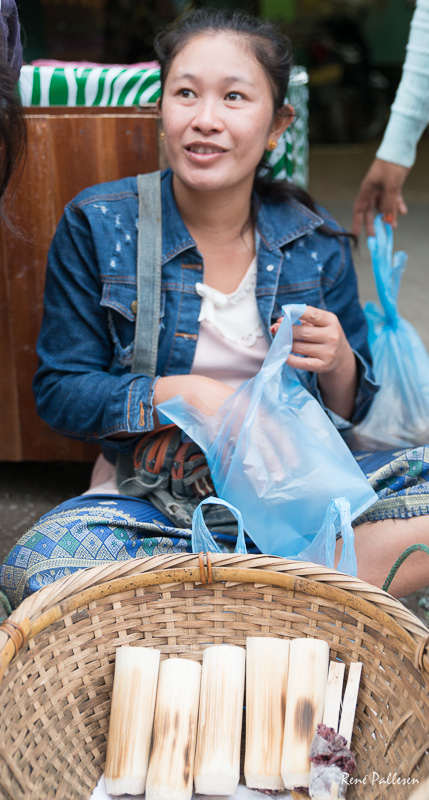
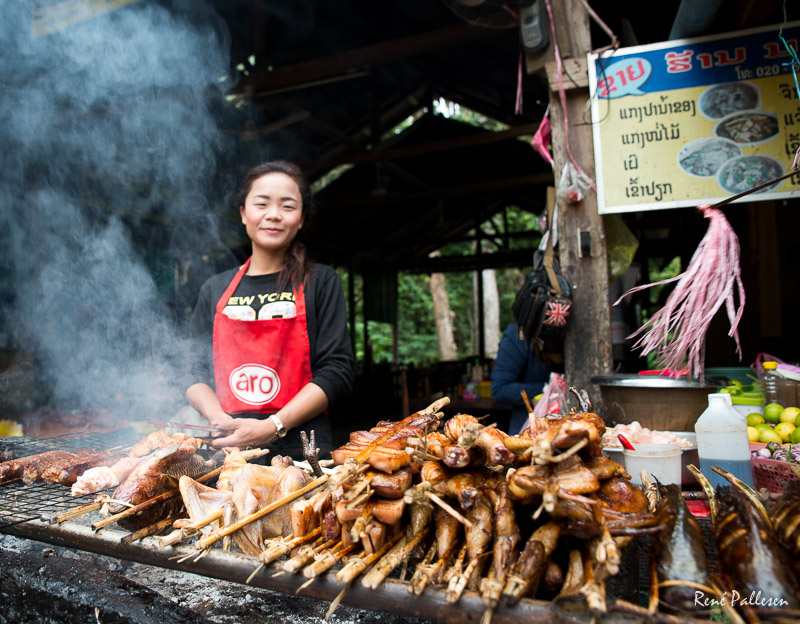


I had some incredible experiences in an amazing country. I managed to have a full busload full of locals break down laughing from me trying to read up sentences from my little pocket Lao phrase book. Through this I was invited to visit families and join their local celebrations through festive events. The only local I met up in Northern Laos who could English was a girl working for an NGO. She invited me to join her visits to remote local villages where we had to cross the rivers on bamboo rafts to get to them and experienced the local dragon boat racing.

Since this distant time I had heard and lots about the country from other travelers including my Mum and Dad who visited the country ten years ago. I heard how the country had changed and how mass tourism had ruined the experience. I had heard about the young backpacker rave parties, the drugs and adrenaline junkies in Vang Vieng. I heard about the modernization, cars and traffic in Vientiane.

Going back with family and friends I was worried that they wouldn’t see the country that I saw so many years ago. There isn’t a lot of historical sites to see in Laos other than in Luang Prabang where there are lots of Temples due to many wars destroying major parts of the country. More worried was I that I would be disappointed by the country and the people I saw back then being no more.
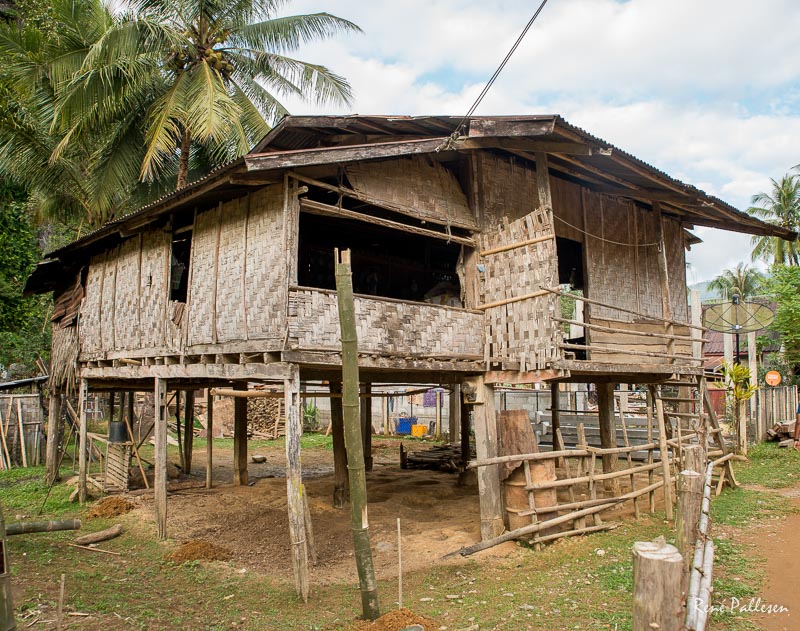


When we got there it turned out that, yes, the country has changed a lot. Lots of roads have been paved, there are lots of cars everywhere, the old colonial buildings have been renovated and all the houses are now built in brick and mortar instead of being wooden bamboo shacks. People are on mobile phones, the kids are watching youtube videos, every hotel has wifi, you can buy everything, and major investments are flowing in from neighboring Thailand, China and Vietnam.

There are a lot more tourists in the country, especially in Vang Vieng and Luang Prabang, but they are a different type of tourists than the ones I was dreading.The backpackers have been replaced with mainly adrenalin loving Korean tourists or wealthier middle-aged Europeans and the era of party fueled backpacker tourism is largely gone.
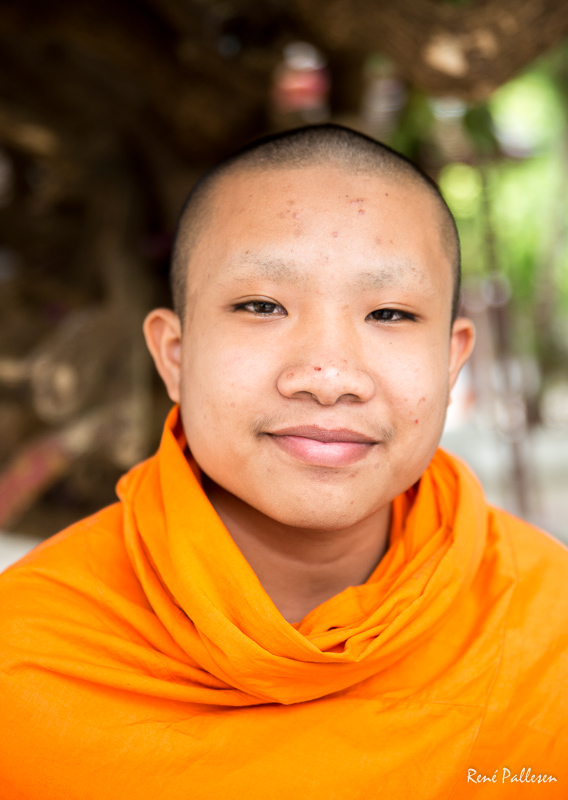


And most importantly getting outside the towns, the Laos I loved back then still very much exists if you go look for it. The modern tourists are surprisingly easy to avoid. They all stay in the same places and visit the same top ten sites or visit the same restaurants that Tripadvisor recommended they go to. They go back home and tell everyone that they have experienced Laos, not knowing that their comfort has eluded them of the real magic of Laos.
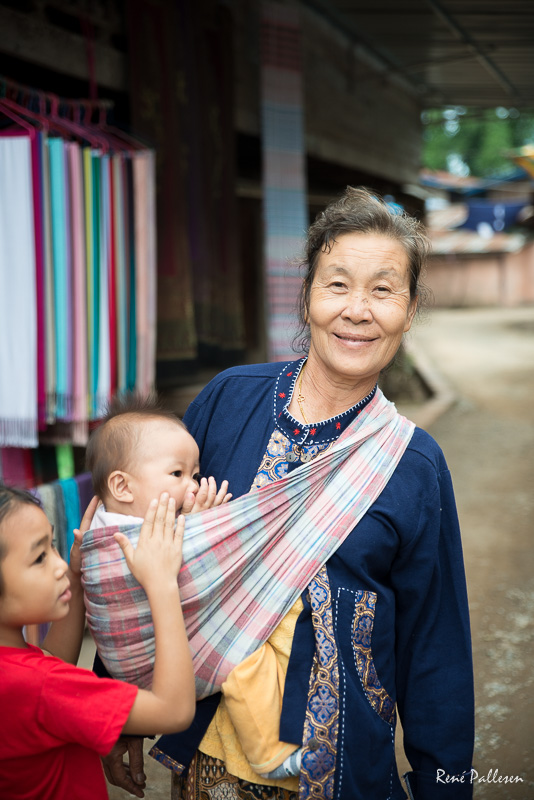


The Lao people everywhere are still very loving, smiling and friendly, there are dirty kids, chickens, cows, dogs and cats roaming the streets everywhere and the remnants of the old tribes that I saw back then still exists through their ancient traditions although the traditional costumes and houses are largely gone now due to government policies.


Had we gone even further afield that we did on this trip, I’m convinced that little has changed in those villages I once visited two decades ago. Prior to going I was scared what I would find there, but now I feel blessed that my family and friends have experienced some of the glimpses of ‘my’ Laos together with me…Laos still has a big place in my heart.


9. October 2017 12:10
by Rene Pallesen
0 Comments

Christmas 2016 - family photos

9. October 2017 12:10 by Rene Pallesen | 0 Comments

Here are some more photos from Christmas 2016


9. October 2017 12:10
by Rene Pallesen
0 Comments

Kims old photos

9. October 2017 12:10 by Rene Pallesen | 0 Comments

Perfect Moments Photography | A Rene Pallesen Journal

Home

15. January 2001 11:14
by Rene Pallesen
0 Comments

Mt Cook

15. January 2001 11:14 by Rene Pallesen | 0 Comments

mt cook


Mt Cook

Mt Cook
Our ice-climbing group

Alan


Created: 18 Aug 2001 Last Updated: 16 Sept 2001

15. January 2001 10:59
by Rene Pallesen
0 Comments

Mt Cook ( 15 ~ 28 January 2001 )

15. January 2001 10:59 by Rene Pallesen | 0 Comments

mt cook 15 28 january 2001
Above the clouds at Mt Cook - photo competition winner!Mt Cook ( 15 ~ 28 January 2001 )


I decided to do a Technical Ice-Climbing course with Alpine Guides in New Zealand.

I spent 10 days at Mt Cook doing a very challenging course, but I learnt a lot. I learnt all the techniques required to do ice-climbing safely. I also learnt the necessities of surviving in the icy mountains.

Prior to the trip, a lot of preparation was required. Everyday, I went jogging to build up my fitness, so by the time I left for New Zealand, I could run 3km on the sand without getting puffed. I also had to buy some of the equipment. I had to buy cramp-ons (looks like spiked metal soles) to attach to my boots; ice-axe and ice-hammer; a new Gore-tex jacket (I needed a new one anyway) and some other clothing and equipment.

The photo on the right became a 3rd-place winner in a photo competition.

Mt Cook

Our group consisted of 4 other doing the course. There were no prerequisites, other than a love for the mountains and a very high fitness level. Not all of us who do this course go on to climb the great mountains. We also discovered it takes guts and courage to stand on top of the world and feel confident. One cannot be an ice-climber if there is a fear of heights or if unsteady on the feet.

Our ice-climbing group


All of us in the group had come from different backgrounds. Søren was an experienced climber, who had aspirations of going to the Himalayas. Alan was a rock-climber who wanted to try the challenge of ice-climbing. Rob too loved the mountains and wanted the experience and challenge of being on the icey slopes of New Zealand. I had had quite a lot of climbing and mountaineering experience, but this was my first time ice-climbing.


The person holding the camera is Søren. I met him in NZ, whilst waiting for the bus for Mt Cook. To my surprise, he was a Dane living here in Sydney. He was a professional photographer (hence you see him holding the Nikon). He and I had similiar experience so our speed through the course was pretty much the same.

Soren


I actually ended up cracking a rib whilst on the course. I did this during a 'self-arrest' technique, where we actually throw ourselves down a steep slope and try to use our ice-axe to stop ourselves from falling any further. This technique is used in case you fall down a crevass and have nothing to hold onto.

Rob was the other person doing the course. He once dropped his ice-axe and one of us had to abseil down to collect it, as an ice-axe is a piece of equipment that is vital and you only carry one of these each.

We worked in pairs, but had to swap partners as our guide took turns working with each of us.
Søren doing a climbAlan doing a climb
Alan doing a climb


Ice-climbing is nothing like rock-climbing. You cannot use your fingers (well, they will freeze if you take your gloves off), so you really on equipment like ice-axe and ice-picks to anchor yourself into the ice. These pieces of equipment are really important, especially if you are sleeping on a ledge or stopping for a rest. Other than someone belaying you, using ice-picks to secure yourself into the ice is the backup should your belay fail.

We each took turns at ice-climbing! Alan is the one in the blue jacket, Søren is the one in the red.

I guess Søren has more photos of me climbing, whereas I can't take photos of myself!


In the following section, you will see a series of photos of Mt Cook.
If you want to have a look at the black & white version of this (quite artistic), click here.

Photo 1 of Mt CookPhoto 2 of Mt CookPhoto 3 of Mt Cook
Photo 4 of Mt CookPhoto 5 of Mt Cook


17. September 2000 10:58
by Rene Pallesen
0 Comments

Olympic Day Out ( 17th Sept 2000 )

17. September 2000 10:58 by Rene Pallesen | 0 Comments

olympic day out 17th sept 2000
Olympic torch - lit


Last September, Sydney held the Olympic Games. I saw a lot of the events on TV but was disappointed with the coverage of other countries' involvement.

However, I did manage to be at Olympic Park during the Games and also see the first handball match - Denmark vs Norway.

I managed to get tickets for the game and had a very nice day with my girlfriend and the Lenehans. I also managed to get some pretty spectacular photos of the Olympic torch.


Olympic torch from afar

Me with Stadium Australia


Here is Stadium Australia, where the Olympic torch is held. Most of the major track & field events, as well as athletics were held here. It is a pretty spectacular building - and HUGE. During the Olympics, you could not go into just any of the buildings at Olympic Park. You had to have a ticket for an event before you could enter the building.


Stadium Australia

As you can see me, I am wearing my T-shirt supporting Danmark! This is one of the few days that I can wear the T-shirt.


It was a very sunny and warm day and the place was full of people. During the Olympics, you could only get access to the whole of the Olympic Park if you had a ticket. They had quite tight security, and had to go through a detector on the perimeter of the grounds after you got off the train/bus.

Dane in true colours!


The handball game started at about 2pm and we managed to wander round for quite a bit before going into the arena wear the handball was.


The food as amazingly expensive! Normally a fruit salad would only cost about AUD$3, cost up to AUD$8 that day!. Bottles of water was double the price. They really made it a money-making event for tourists! The funny thing too, we noticed that as you entered Olympic Park, all of the signs were in French and English, and all the announcements were given in French first, then English. It was most peculiar!

As we got closer to where the handball games were being held, we saw a lot of Danes and Norwegians dressed in country colours! Danes in red and white and Norwegians... well, there was a guy there who had lots of cow bells around his neck and attached to his clothes. He was wearing a traditional metal helmet and dressed in old-fashioned gear. It was amazing to feel all the atmosphere - just to be there.

True Danish spirit!Lance with Danish flags


We were all in the true Danish spirit! Even my girlfriend was dressed in a white T-shirt and red pants! We painted flags on our faces with some face paint. We were definitely there to support the Danish team!

Even Lance could not help get caught in the moment with us! *smile*


Handball match


A break in the handball game - Danmark vs Norway!

Danmark in red & white, Norway in blue & white.

We had pretty good seats - it was a matter of whoever got there first, had the best seats, although we had to enter through certain doors.

All the journalists and officials sat on the left. We even heard that the crown prince of Danmark was there for the game, even though we could not spot him. There were flags everywhere, Danish and Norwegian waving about. Everytime Norway scored, you could hear countless numbers of cow-bells being rung! A few times, some of the people tried to start a Mexican wave, but that did not work out.

It was a very fast and furious game. It was the only handball game that the Danish lost in the whole Olympic Games, and they eventually came first in the finals!

Group photo


Just after entering Olympic Park, we managed to get a group photo!


As you can see the place is very crowded but very festive - you just had to be there!


Olympic Torch at Sunset


A most glorious sunset!


After the handball match, we wandered around for a bit longer. The day had been quite warm, so the night was a beautiful clear night.

After the Lenehans left, Arumi and I had a look at a small Aboriginal art exhibition located at the Park. We sat on one of the few grassy patches, to watch the flickering of the lights and just enjoy the day.

We eventually went home, but Olympic Park was still swarming with people, who were there to watch events that went on later into the night. Although we did not get the chance to see any other events during the Olympics, it was definitely worth the day we spent there. We would have loved to see the final game when Danmark won, but as usual, we were not very organised...


Below, I have included photos taken on the night of the Closing Ceremony.


These were taken from Graham's apartment on a hill at McMahons Point. We had a spectacular view of the fireworks that went off after the Closing Ceremony. It was really windy on the balcony, but I managed to get some photos of the Olympic rings that were placed on Sydney Harbour Bridge.

Beautiful, isn't it?

Sydney Harbour Bridge at nightSydney Harbour Bridge at nightSydney Harbour Bridge at sunset


15. September 2000 11:05
by Rene Pallesen
0 Comments

New Car in 2000 . . .

15. September 2000 11:05 by Rene Pallesen | 0 Comments

new car in 2000


In September 2000, just after I returned from my trip to Borneo, I had to buy this new car because my girlfriend had written off my car whilst I was away! *smile*

I did not look forward to hunting around for a new car, but I found a good buy locally. This car is a 1997 Ford Futura, with 4.0 litre, 6-cylinder, 220-horsepower, power-steering, central locking and electronic windows (I think I am starting to sound like a car advertisement...)

Frontal view of car


Side view of car

It is pretty much the same colour as my old car, and it feels so nice to drive!

As you can see, pretty similar, but I also really miss my old car! It had a lot of computerised features - from a digital odometer, to adjusting the internal temperature of the car. It was a pretty cool car and wished I could have kept it for another few more years.

Frontal view of car


Side view of car

My first car in Australia!

A huge contrast to my first car!

It is a red hatchback that I bought early 1998, a few months after I arrived in Australia. But someone wrote it off a few months after I bought it. It was a pretty bad accident, but luckily I was alright. I was only covered by Third Party insurance, and to go through a lot of paperwork just to get reimbursement for the car!

Perfect Moments Photography | A Rene Pallesen Journal

Home

22. March 2008 06:08
by Rene Pallesen
0 Comments

Rio De Janeiro - Brasil

22. March 2008 06:08 by Rene Pallesen | 0 Comments

rio de janeiro brasil


We are now in Brasil after an overnight stopover in Santiago (The flights here in South America are fairly irregular so it can be difficult to get connecting flights without having stopovers).

We hadn't booked a place to stay but at the airport the tourist information suggested renting an apartment at Ipanema. When we got there it turned out to be really basic, fairly prices and probably a friend of the guy at the tourist information. Instead we went to Copacabana beach to one of the other options we had which also was very basic and a bit far from the beach...but at least non commiting for more than one night. Later in the evening we walked around and eventually found a hotel close to the beach and cheap. It also had big mirrors on the wall and in the ceiling over the bed...and Kim and I was wondering if it was one of those hotels that could be hired by the hour.
It did however turn out to be really nice apart from one evening when some of the other guests tried to get into our room because they got the number on the door wrong.

The day after we went to Ipanema beach to go for a walk. It is very beautiful in Rio and especially this beach is really cool.

Click here for more photos

After lunch we took the local bus to the Sugarloaf mountain. Traffic is really bad in Rio and Taxis are outrageously expensive and just as slow as the busses so it took us about two hours to get there. It turned out to be perfect. We ended up taking the lift of there just before sunset and had a fantastic view from the top.

Click here for more photos

Click here for more photos

Click here for more photos


Click here for more photos

In the evening we had a fantastic meal called a Ridozio (or something like that). It was a 15 course meal (A lot more than we could eat) and only cost around 10 australian.

Next day we decided to go to see the Jesus statue first thing in the morning. Again we took the local bus there to save some money (Rio is really expensive). We then took the train up to the Statue which has got a fantastic view of Rio and all the beaches.

Click here for more photos Click here to see more photos

Click here for more photos

On this trip with Kim I had planning to ask her if she'd marry me. I had three possibly locations in mind..29th Feb in Santiago, Machu Picchu or at the statue in Rio. Kim was very happy when I popped the question and showed her the ring I'd gotten for her (but more about that later), so we are officially no longer boyfriend and girlfriend.

Click here for more photos

Click here for more photos


In the evening we went to a restaurant called Porcao Rios which had been recommended to be by our partner in Mexico to celebrate and later we had a drink down at the beach.

Click here for more photos

We didn't get back to the hotel until very late and I promised that I would never again walk back to the hotel that late at night. There were people from the slums everywhere and I didn't feel safe walking back...so next time we definitely take a taxi. In the daytime you see quite a few police cars and police officers around...but at night they are very hard to spot. It is almost like the movie 'I am Legend'...you are safe during the day, but as soon as night falls and most people have gone off the streets then the kids from the slums rule the city. It is truly a dangerous place at night...not that we were carrying any valuable on us whatsoever except for whatever cash we needed on the night, but the question is....would these kids believe that that was all we were carrying?
All houses an properties in the more wealthy areas are all surrounded by big fences and cages to keep the kids out...but really...not a very comforting way to live if you cant leave your house.

Another thing I noticed is that there also still is a class difference between the white/light and the black. The blacks have all the lowest paid jobs and the ones requiring manual labour. It is also the black people you see living on the street and going through the garbage every night (and there are a lot of these). So even through slavery was abolished several hundred years ago doesn't mean that everyone is equal.

In the morning I had caught some sort of a stomach bug...probably from the one drink I had at the beach and was feeling really weak so we spend the day doing a bit of shopping locally and then went to Ipanema.

Click here for more photos

Click here to see more photos

In the evening I started to feel really weak and felt like vomiting so dinner consisted of some light vegetables followed by coca cola (The ultimate remedy for any stomach problems).


Last day we slept in (ignored the hotel checkout time) and packed out stuff. I still felt a bit weak but otherwise ok (My bug lasted for two days after which I felt really weak but a dose of Imodium eventually took care of it).

Next back to Santiago overnight and then back to Sydney

Click here to see more photos from Brasil

14. March 2008 10:23
by Rene Pallesen
0 Comments

Sucre - Bolivia

14. March 2008 10:23 by Rene Pallesen | 0 Comments

sucre bolivia


Wow, wow, wow...Sucre is everything that La Paz isn´t...it is fantastic.

Click here to see more photos

We took the bus from Potosi yesterday afternoon and drive through a fantastic landscape of deep canyons and high mountains and through passes of 4800 meters altitude. As soon as we arrived into Sucre we fell in love with it. Right from the start at the bus terminal they had fixed prices on taxis. We drove into town with an old gentleman that had a 1970´s Datsun.
He held the door for us at the hoteland made sure we had accomodation.

Oh..yeah...did I mention accomodation. Kim had booked the Hotel Real Audencia the night before and received confiemation. When we got to the Hotel they didn´t have our booking but fortunately the hotel is empty (I think we are the only ones here). They told us that it was $60 per night...Kim said that the booking we had was $45 and they agreed to this price. It later turned out that she by mistake had booked the Real Audencia in Quito Equador 2000km from here...LOL.
Anyway the hotel is fantastic and Kim loves the luxery...not even Hilton compares and it is 1/20th of the price of a similar hotel.

Click here for more photos

Click here for more photos

We then went to this French restaurant La Taverne...fantastic. I spoiled Kim with a 5 star meal that we would have a hard time finding in sydney...price for the two of us...less than $10.

Sucre is a nice and quiet city...it is beautiful with all the old colonial white washed buildings and it is clean and not polluted. There are far less beggers and street kids and far less social problems. Everything is getting very well maintained and it is a really romantic place to walk around at night through the plazas...with people everywhere at night.

Click here for more photos

We were initially planning to go back to Santiago one day early...but because this is such a nice place we stay here another night and then spend as little time as possible in La Paz. We also treat ourselves to a flight to La Paz which takes 45 minutes rather than a terrible 14 hour bus ride.

Sucre is at 2800 meters altitude but probably 20 degrees warmer than Potosi (4000-4500 meters). It is so nice being able to walk around in a T-Shirt during the day and just a thin Alpaca (I´ve bought two for less than $15 each)jumper during the night.

We went out to the dinosaur park. In some limestone they have found some 5000 tracks from more than 400 different species of dinosaurs. The park has only been open for less than two years and will be a major attraction once they get the place conserved and once the word spreads.

Click here for more photos

We also had lunch at this fantasic Cafe Mirador overlooking the whole city...very nice.

Next day we hired a guide to take us through one of the local Inca trails as well as to a small village called Potola. It was raining so in the beginning it was pretty cold and miserable but eventually it stopped and we had a really nice day on the Inka trail (by the way there are thousands of Inka Trails around the Andes...most of them still in use by the locals as the main mode of transport still is on foot).

Click here for more photos

Potola is a small village west of Sucre. It is supposed to have a lot of local still dressed in their local costumes and lost of local handicraft...but really is has none of that. There was far more dressed in local costumes in Copacabana.

Click here for more photos

As such for Bolivia it has got a huge potential for developing tourism...but the people there don't understand how to do it.

Tomorrow...onto Santiago and then continue to Rio De Janeiro

Click here to see more photos from Bolivia

12. March 2008 11:54
by Rene Pallesen
0 Comments

Potosi, The Mines - Bolivia

12. March 2008 11:54 by Rene Pallesen | 0 Comments

potosi the mines bolivia


Today was a really positive day compared to yesterday after I'd written my last post. We found an excellent restaurant (much better than most restaurants in Sydney) called El Meson...and the food was cheap as. For around USD 13 we got a three course dinner that was absolutely fantastic including drinks. It was so good that we decided to go back there tonight.

This morning we had to move hotel. We did try to extend one night at Hotel Eldorado...but everything in this town is fully booked. Late last night we had managed to put through a couple of bookings at other places, but the only one that came through was a local hostel...so this morning we moved there. It is a nice enough place...but the personnel is totally disinterested in providing a service (and no smiling please)...there is no heat in the room so it could be a cold night...but everything else is ok once you chase them for towels, blankets etc.
The told us that we couldn't have the room until 11.30am...so in the mean time we decided to go to the mint museum.

The Mint museum was really good. They had a lot of interesting items there and they provided an english speaking guide for free to explain how the silver was mined in Potosi, the historical significance as well as went through the whole process of producing silver coins which were produced in the same building (All the original equipment is still there). They also have a fantastic art collection there.
We joined the guided tour a bit late, but the guide was kind enough to repeat the first part of the collection so that we didn't miss out.

The highlight for Kim was when I made her a copper coin using an original minting stamp using a large hammer...she got to keep the coin as a souvernir.

After a lunch at La Plata (With the thickest hit chocolate we've ever seen...the spoon could stand upright) we went down to join a tour of the mines in Potosi. It turned out that Kim and I were the only ones on the tour and the guide spoke perfect English.

First we were fitted with overalls and helmets and afterwards the tour went to the miners market. I bought a stick of dynamite for around 5 Bolivianos (75 cents) and our guide gave Kim a fright when he threw the stick at her.

Click here for more photos Click here for more photos

Click here for more photos


After this we went to the processing plant where they do the first extraction of the metals from the rock. We saw how they crush the rock into a fine powder and then using various chemicals extract the metals from the rock as well as using gravity. All the chemicals and side products are then flushed into the Rio Negra where it then is washed into Paraguay and Argentina. Both BHP and Rio Tinto buy minerals from here processed in this way (It it great to see my shares at work). There are 42 such processing plans here in Potosi...because everything is working as coorporatives there is no investing in processing plants and machinery and the various plants refuse to work together although this would benefit everyone...but more about that later.

Click here for more photos

Afterwards we drove up to the mine itself. We expected to be visiting a part of the mine that was no longer being used but this is not the case...the mine was fully functioning so once in a while we had to run for our lives to a location where the tunnel was wide enough for us to jump to the side when one of the small trains came zooming past.

Click here for more photos

As we went further and further into the tunnels the gasses became thicker and thicker. I have never seen so many visible minerals in one location before...you could actually see the zinc, lead, copper, iron and bronce in the walls all over the place. The yellow sulphur was sitting in 2cm thick layers on the wall (but they don't mine this) and there was Albestos hanging in long threads off the ceiling all over the place and the air was think of asbestos dust.

Click here for more photos Click here for more photos


We were covering our mouthes with bandannas but running through the tunnels, the cramped places, the dust and the gasses in the air made it really hard to breathe through the bandanna (Remember that this is all happening at 4500 meters altitude where there is only 25% of the oxygen as at sea level...so there is not much air in the first place!). The miners themselves were chewing coca leaves to tolerate the gasses.


Click here for more photos Click here for more photos


Normally I